


Te Tikanga Ahuwhenua me te Hangahanga Haerenga Kakara Whakaawehia | ScentSerenade

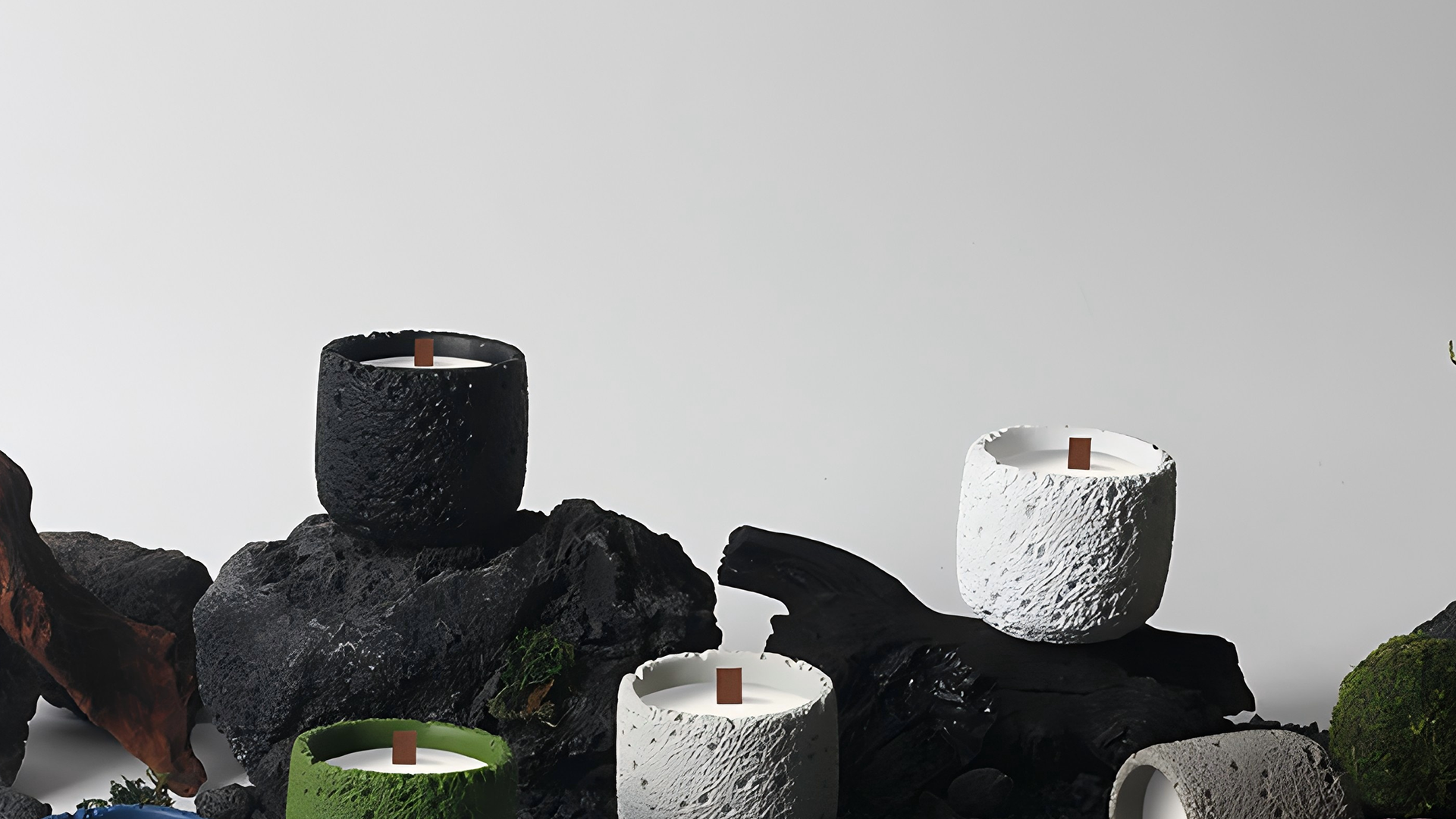
I roto i te ahurea tuku iho Hainamana, aramuka is an essential element that plays a significant role not only in religious rituals but also in literature, toi, me te oranga o ia ra puta noa i Haina tawhito. With its unique fragrance and extensive historical background, sandalwood has become a bridge connecting people with nature and divinity. Recently, a game named ‘Black Myth: Wu Kong’ has stirred up a global sensation, sparking a profound interest among many foreign friends in Chinese culture, including curiosity about sandalwood.
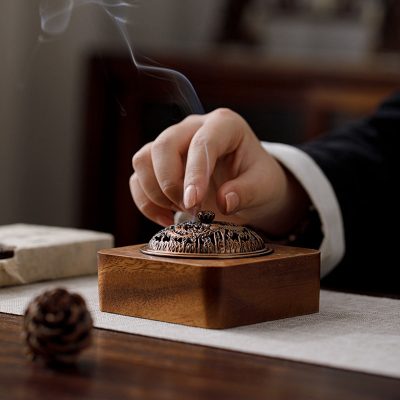
‘Black Myth: Wu Kong’ is a single-player game based on the classic Chinese novel ‘Journey to the West.’ It has won the hearts of players worldwide through its exquisite graphics, gripping storyline, and profound cultural connotations. As players follow the footsteps of Sun Wukong, they experience thrilling adventures. Throughout this journey, sandalwood serves as a symbol, appearing in various scenes within the game, such as temples and Taoist shrines, thus bridging the virtual world with Chinese traditional culture.
Sandalwood holds a long history in Chinese culture, particularly occupying a significant position in Buddhism. People believe that burning sandalwood can purify the mind, dispel evil spirits, and bring peace and harmony. Offering incense at land temples is not only a form of respect for the land god but also a way for people to pray for safety and health. Aramuka, with its lasting and refreshing fragrance, has become an indispensable part of these rituals. In China, the history of sandalwood can be traced back to the Northern and Southern Dynasties period when it was primarily used in religious ceremonies and incense burners. Ka roa te wa, sandalwood gradually integrated into everyday life, becoming a favored spice among nobles and literati, leaving numerous praises in poetry and prose. According to Traditional Chinese Medicine (TCM), sandalwood is believed to have properties that regulate qi flow, warm the stomach, and alleviate pain, and is useful for treating various ailments related to cold and stagnation.
Here are some key characteristics of sandalwood’s fragrance:
1. Persistence: The aroma of sandalwood is very long-lasting, maintaining its distinctive scent even after being exposed to air for some time. This is why sandalwood is often used in perfumes and other fragrances requiring longevity.
2. Warm and Rich: Often described as warm, rakau, and slightly sweet, the scent of sandalwood creates a sense of calmness and tranquility, helping to relax the body and mind while creating a peaceful atmosphere.
3. Complex and Layered: The fragrance of sandalwood is intricate and multifaceted. I te timatanga, one might notice a prominent woody note, which gradually reveals more delicate and softer nuances over time.
4. Uniqueness: Compared to other fragrances, sandalwood’s scent has high recognizability. Its fragrance differs from the sweetness of floral scents or the freshness of herbal aromas, instead presenting a deep and restrained essence.
5. Te whai kiko: The fragrance of sandalwood blends well with other scents, forming diverse combinations. Therefore, in the perfume industry, sandalwood is often used as a fixative to stabilize other highly volatile fragrances, making the overall scent last longer.
6. Psychological Effect: Due to its warm and tranquil nature, sandalwood is thought to have a soothing effect, capable of alleviating anxiety and stress and enhancing sleep quality.
These characteristics make sandalwood a highly sought-after natural fragrance, widely used not only in religious rituals and aromatherapy but also as an important component in perfume-making and high-end skincare products. Besides its distinctive aroma, sandalwood is also popular because of the deep cultural significance it carries. In Buddhism, sandalwood is known as the “King of Incenses,” representing the virtue of giving, while in Feng Shui practices, sandalwood is believed to attract wealth and prosperity.
For those foreign friends who have developed an interest in Chinese culture through the game ‘Black Myth: Wu Kong,’ understanding sandalwood and its cultural implications offers a charming journey of discovery. Sandalwood is more than just a fragrance; it is a symbol of culture, carrying millennia of historical heritage and the aspirations of the Chinese people for a better life.
We hope this blog post helps everyone gain a better understanding of the connection between sandalwood and Chinese culture and inspires more people to explore the richness of Chinese traditional culture.
Kōtaha Kamupene
Serenade kakara He waitohu i whakatapua ki te hanga i nga wheako aromatherapy ahurei me te matanga. Mai i te timatanga o te rautau 21, Serenade kakara has quickly won the hearts of consumers with its exquisite fragrance products and uncompromising attention to detail. Ko te waitohu e whakakotahi ana i te ataahua o te taiao me te auahatanga kore mutunga, e whai ana ki te whakaoho kare-a-roto, whakapai ake i nga ahuatanga, me te whakatairanga i te oranga oranga na roto i ana hua aromatherapy.
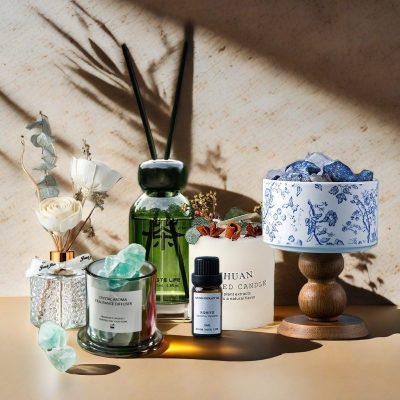
Serenade kakara offers a diverse range of aromatherapy products, tae atu ki nga momo momo hinu nui, rama kakara, nga kaiwhakawhanake, kakara waka, parakihe aramuka, me nga koha i hangaia motuhake me nga rama mo nga hararei. Me te punaha whakahaere katoa me te puiao, ka arotahi te waitohu ki te rereketanga o nga hua, te whakarite mehemea kei te rapu koe i te ata noho mo te whakangā, i te whakaihiihi ranei, ia Serenade kakara Ko te hua he mea hanga e nga tohunga hinu kakara ki te whakatutuki i o hiahia hongi i roto i nga ahuatanga rereke.
Te pupuri i te kawenga taiao tata ki tona ngakau, Serenade kakara ka whakamahi i nga rawa-taiao i roto i ana mahi whakaputa, e ngana ana ki te whakaheke i te tuku waro me te kaha ki te mahi i te kaupapa o te whanaketanga taumau. Ahakoa kei roto i te waahi whanau mahana, i te waahi tari pukumahi ranei, Serenade kakara provides a comfortable and pleasant olfactory environment, te tuku i nga tangata ki te wheako ake i te rangimarie me te ataahua i roto i o raatau oranga o ia ra.
Hei kaiwhakahou i roto i te umanga, Serenade kakara he torotoro haere tonu i nga ariā hoahoa hou, e ngana ana ki te whakamaori i nga kitenga rangahau hou ki nga hua tino pai mo nga kaiwhakamahi. Ahakoa kei te whakanui ake i te kounga o te oranga, kei te whakanui ranei i te pai o te mahi, Serenade kakara is a trusted choice.
Mena kei a koe etahi patai me awhina awhina ranei koe, Tena koa whakapiri mai ki o maatau kaihoko ratonga.
- Īmēra: sales1@rosesaromatherapy.com