Setso sa Bochabela le Boqapi bo Bululetsoeng Leeto la Monko o monate | ScentSerenade

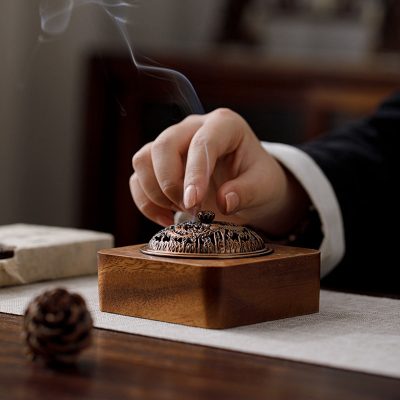
Ka setso sa setso sa Sechaena, sandalwood is an essential element that plays a significant role not only in religious rituals but also in literature, bonono, le bophelo ba letsatsi le letsatsi ho pholletsa le China ea boholo-holo. With its unique fragrance and extensive historical background, sandalwood has become a bridge connecting people with nature and divinity. Recently, a game named ‘Black Myth: Wu Kong’ has stirred up a global sensation, sparking a profound interest among many foreign friends in Chinese culture, including curiosity about sandalwood.
‘Black Myth: Wu Kong’ is a single-player game based on the classic Chinese novel ‘Journey to the West.’ It has won the hearts of players worldwide through its exquisite graphics, gripping storyline, and profound cultural connotations. As players follow the footsteps of Sun Wukong, they experience thrilling adventures. Throughout this journey, sandalwood serves as a symbol, appearing in various scenes within the game, such as temples and Taoist shrines, thus bridging the virtual world with Chinese traditional culture.
Sandalwood holds a long history in Chinese culture, particularly occupying a significant position in Buddhism. People believe that burning sandalwood can purify the mind, dispel evil spirits, and bring peace and harmony. Offering incense at land temples is not only a form of respect for the land god but also a way for people to pray for safety and health. Sandalwood, with its lasting and refreshing fragrance, has become an indispensable part of these rituals. In China, the history of sandalwood can be traced back to the Northern and Southern Dynasties period when it was primarily used in religious ceremonies and incense burners. Ka mor'a nako e itseng, sandalwood gradually integrated into everyday life, becoming a favored spice among nobles and literati, leaving numerous praises in poetry and prose. According to Traditional Chinese Medicine (TCM), sandalwood is believed to have properties that regulate qi flow, warm the stomach, and alleviate pain, and is useful for treating various ailments related to cold and stagnation.
Here are some key characteristics of sandalwood’s fragrance:
1. Persistence: The aroma of sandalwood is very long-lasting, maintaining its distinctive scent even after being exposed to air for some time. This is why sandalwood is often used in perfumes and other fragrances requiring longevity.
2. Warm and Rich: Often described as warm, lehong, and slightly sweet, the scent of sandalwood creates a sense of calmness and tranquility, helping to relax the body and mind while creating a peaceful atmosphere.
3. Complex and Layered: The fragrance of sandalwood is intricate and multifaceted. Qalong, one might notice a prominent woody note, which gradually reveals more delicate and softer nuances over time.
4. Uniqueness: Compared to other fragrances, sandalwood’s scent has high recognizability. Its fragrance differs from the sweetness of floral scents or the freshness of herbal aromas, instead presenting a deep and restrained essence.
5. Ho feto-fetoha ha maemo: The fragrance of sandalwood blends well with other scents, forming diverse combinations. Therefore, in the perfume industry, sandalwood is often used as a fixative to stabilize other highly volatile fragrances, making the overall scent last longer.
6. Psychological Effect: Due to its warm and tranquil nature, sandalwood is thought to have a soothing effect, capable of alleviating anxiety and stress and enhancing sleep quality.
These characteristics make sandalwood a highly sought-after natural fragrance, widely used not only in religious rituals and aromatherapy but also as an important component in perfume-making and high-end skincare products. Besides its distinctive aroma, sandalwood is also popular because of the deep cultural significance it carries. In Buddhism, sandalwood is known as the “King of Incenses,” representing the virtue of giving, while in Feng Shui practices, sandalwood is believed to attract wealth and prosperity.
For those foreign friends who have developed an interest in Chinese culture through the game ‘Black Myth: Wu Kong,’ understanding sandalwood and its cultural implications offers a charming journey of discovery. Sandalwood is more than just a fragrance; it is a symbol of culture, carrying millennia of historical heritage and the aspirations of the Chinese people for a better life.
We hope this blog post helps everyone gain a better understanding of the connection between sandalwood and Chinese culture and inspires more people to explore the richness of Chinese traditional culture.
Boemo ba Khoebo
Monko oa Serenade ke lets'oao le ikemiselitseng ho theha boiphihlelo bo ikhethang le bo rarahaneng ba aromatherapy. Ho tloha ha e thehoa qalong ea lekholo la bo21 la lilemo, Monko oa Serenade ka potlako e hapile lipelo tsa bareki ka lihlahisoa tsa eona tse nkhang hamonate le tlhokomelo e sa sekisetseng ho lintlha.. Letšoao le kopanya botle ba tlhaho le boqapi bo se nang moeli, sepheo sa ho tsosa maikutlo, ntlafatsa maikutlo, le ho khothaletsa bophelo bo botle ka lihlahisoa tsa eona tsa aromatherapy.
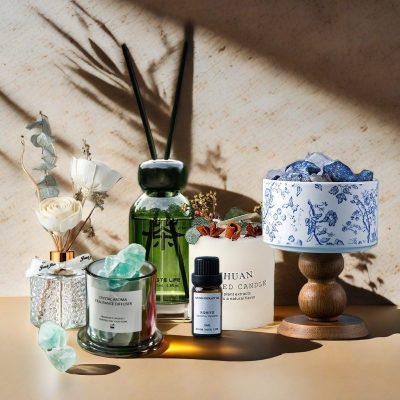
Monko oa Serenade e fana ka mefuta e fapaneng ya mefuta e fapaneng ya lihlahisoa tsa aromatherapy, ho kenyelletsa mefuta e fapaneng ea oli ea bohlokoa, likerese tse monko o monate, li-diffusers, monko o monate oa koloi, sandalwood libano, le limpho le likerese tse entsoeng ka ho khetheha bakeng sa matsatsi a phomolo. Ka tsamaiso e feletseng le ea saense ea tsamaiso, lets'oao le shebane le mefuta e fapaneng ea lihlahisoa, ho etsa bonnete ba hore na o batla khutso bakeng sa boikhathollo kapa matlafatso e khathollang, mang le mang Monko oa Serenade sehlahisoa se entsoe ke baetsi ba litlolo tse nang le boiphihlelo ho fihlela litlhoko tsa hau tsa monko maemong a fapaneng.
Ho tshoara boikarabelo ba tikoloho haufi le pelo ya yona, Monko oa Serenade e sebelisa lisebelisoa tsa eco-friendly lits'ebetsong tsa eona tsa tlhahiso, ho ikitlaelletsa ho fokotsa tlhahiso ea khabone le ho sebelisa ka mafolofolo mohopolo oa nts'etsopele ea moshoelella. Ebang ke sebakeng se mofuthu sa lelapa kapa ofising e phetheselang, Monko oa Serenade e fana ka tikoloho e monate le e monate ea monko, ho lumella batho ho ba le khotso le botle bo eketsehileng bophelong ba bona ba letsatsi le letsatsi.
E le moqapi oa indasteri, Monko oa Serenade e tsoela pele ho hlahloba likhopolo tse ncha tsa moralo, ho leka ho fetolela liphetho tsa morao-rao tsa lipatlisiso molemong oa lihlahisoa tse bonahalang bakeng sa basebelisi. Hore na ke ho ntlafatsa boleng ba bophelo kapa ho eketsa katleho ea mosebetsi, Monko oa Serenade ke khetho e tšepahalang.
Haeba u na le lipotso kapa u hloka thuso, ka kopo ikutloe u lokolohile ho ikopanya le baemeli ba rona ba litšebeletso tsa bareki.
- Email: sales1@rosesaromatherapy.com
EKETSEHILENG PHATALA
Ho Sireletsa Likatse Likotsing Tsa Bohlokoa Tsa Oli: Litaelo tsa Phatlalatso
tseo oli tsa bohlokoa li chefo ho likatse
Bahoebi ba Bohlokoa ba Oli: Moo U ka Rekang
moo u ka rekang oli ea bohlokoa ea vanilla ho portland oregon