


Ekialdeko Kultura eta Sormena Inspiratutako Usain Bidaia | UsainaSerenade

Plastikoa & Edabeak: Zure olio esentzialen ontzi seguruen misterioa desblokeatzea

(zer plastiko mota den segurua olio esentzialentzat)
Beraz, zure olio esentzialak maite dituzu. Usain harrigarria dute. Ondo sentiarazten zaituzte. Fresko eta indartsu mantendu nahi dituzu. Baina zer esan botilekin? Plastikozko botila hori erabilgarria dirudi. Seguru al da? Plastiko guztiek ez dute ondo jokatzen landare-estraktu indartsu hauekin. Okerra aukeratzeak zure olioak honda ditzake edo arriskutsua izan daiteke. Argitu dezagun olio esentzialen plastiko seguruen kodea.
1. Zeintzuk diren plastikoak benetan seguruak olio esentzialentzat?
Jakin behar duzu zein plastikoek ez duten arazorik sortuko. Olio esentzialak gauza sendoak dira. Plastiko batzuk hautsi ditzakete. Plastiko seguruetatik produktu kimikoak ere xurga ditzakete. Ez duzu nahi zure izpilikuarekin edo menta nahasketa hori.
Beraz, zein plastikoek lortzen dute argi berdea? Bilatu hauek:
HDPE (Dentsitate handiko polietilenoa): Hau da lehen aukera. Nonahi ikusten duzu. Pentsa esne pitxerrak, xanpu botilak, eta askotan, zure olioak sartzen diren botilak. Gogorra da. Produktu kimikoei ondo aurre egiten die. Ez du gauza gaiztorik isurtzen zure olioetan. HDPE opakua izan ohi da, askotan zuria edo kolorekoa. Bilatu birziklapenaren ikurra. Zenbakia duen triangelua da 2 barruan.
PET edo PETE (Polietileno tereftalatoa): Hau beste ohiko bat da. Pentsa soda botilak eta ur botilak. Argia eta arina da. Orokorrean segurua da olio esentzialentzat. Bilatu birziklapenaren sinboloaren zenbakia 1. Batzuek HDPE nahiago dute epe luzerako biltegiratzeko, baina PET-k ere ondo funtzionatzen du.
LDPE (Dentsitate baxuko polietilenoa): Plastiko hau leunagoa eta malguagoa da. Pentsa estutu botilak eta plastikozko poltsa batzuk. Nahiko erresistentea ere bada. Olioetarako ondo dago. Bilatu birziklapenaren sinboloaren zenbakia 4. Ona da spray botilak edo roll-ons bezalako gauzetarako.
Saihestu PVC bezalako plastikoak (zenbakia 3) edo poliestirenoa (zenbakia 6). Ez dituzte olio esentzialak ondo maneiatzen. Apurtu egin daitezke. Produktu kimikoak askatu ditzakete. Eutsi seguruei: HDPE, PET, eta LDPE.
2. Zergatik da hain garrantzitsua plastiko egokia erabiltzeak
Ez da bakarrik botila itxura polita. Plastiko okerrak erabiltzeak benetako arazoak sor ditzake. Olio esentzialak kontzentratuta daude. Disolbatzaile indartsuak dira. Horrek esan nahi du gauzak desegin ditzaketela. Plastiko ahulak urtu edo hauskor bihur daitezke. Imajinatu zure botila pitzatzen eta olio preziatua nonahi isurtzen. Ez dibertigarria.
Okerrago, plastiko batzuek produktu kimikoak dituzte. Produktu kimiko hauek lixibiatu daitezke. Zure olioekin nahasten dira. Ez duzu larruazalean produktu kimiko ezezagunak igurtzi nahi. Produktu kimiko batzuek olioaren usainarekin edo bere propietate naturalekin nahastea izan dezakete. Zure olio garestia eraginkorra izan daiteke.
Plastiko segurua erabiltzeak zure inbertsioa babesten du. Olioa purua mantentzen du. Ihesak eta nahasteak saihesten ditu. Garrantzitsuena, seguru mantentzen zaitu. Larruazaleko narritadura potentzialak edo osasun-arazoak saihesten dituzu. Pentsa ezazu plastiko segurua zure olio preziatuentzako ezkutu gisa.
3. Nola aukeratu plastikozko botila perfektua zure olioetarako
Ados, mota seguruak ezagutzen dituzu. Nola aukeratzen duzu onena? Pentsa zertarako erabiltzen duzun olioa. Biltegiratzea? Nahastea? Aplikatzen?
Lehenengoa, egiaztatu botila. Bilatu birziklapenaren ikurra. Normalean behealdean egon ohi da. Zenbaki bat ikusi nahi duzu 1 (PET), zenbakia 2 (HDPE), edo zenbakia 4 (LDPE). Hori da zure lehen pista. Ikurrik ez badago, kontuz ibili. Baliteke segurua ez izatea.
Hurrengoa, kontuan hartu botilaren helburua:
Epe luzerako biltegiratzea: Joan HDPEren bila. Urrezko estandarra da. Bere sendotasuna eta erresistentzia kimikoa goi mailakoak dira. Anbar iluna edo kobalto urdina HDPE botilak are hobeak dira. Argia blokeatzen dute, olioak ere degrada ditzaketenak. This is best for storing your oils neat or in blends you want to keep for a while.
Dropper Bottles: Glass is often preferred for pure essential oils. But if you need plastic, PET is a common choice for dropper bottles. It’s clear, so you can see the oil level. Just ensure it’s labeled as safe for essential oils. HDPE dropper bottles exist too.
Roller Bottles: These are popular for applying oils. LDPE (zenbakia 4) is often used because it’s flexible. HDPE rollers are also available. Both are safe choices. Make sure the roller ball itself is compatible too (usually stainless steel or plastic).
Spray Bottles: For things like room sprays or linen sprays. PET or HDPE are good. PET is clear and lightweight. HDPE is more durable. LDPE can work for fine mist sprays. Check the sprayer mechanism. Ziurtatu olioetarako diseinatuta dagoela eta ez dela bukatzen.
Erosi beti kosmetikarako pentsatutako botilak, aromaterapia, edo ezinbesteko olioak. Honela, badakizu bateragarritasuna probatu dutela. Merkea, plastikozko botila generikoek agian ez dute moztu.
4. Aplikazioak: Non erabiliko dituzun plastikozko botila seguruak
Plastikozko botila seguruak oso erabilgarriak dira. Ez dira biltegiratzeko soilik. Denbora guztian erabiltzen dituzu olioaren errutinan.
Lehenengoa, pentsa ezazu garraiolari olio nahasteetan. Olio esentzialak jojoba edo almendra gozoa bezalako oinarrizko olio batekin nahasten dituzu. Baliteke lote handiagoa egitea. HDPE botila sendoa ezin hobea da. Nahasketa babesten du. Erraza da botatzea edo banatzea.
Rollerball nahasketak handiak dira. Jendeari gustatzen zaio olioak modu honetan aplikatzea. Lo egiteko erabiltzen dituzte, fokua, edo muskulu-erliebea. Plastikozko roller botilak arinak dira. Ez dira apurtuko erortzen badira. They’re great for carrying in your bag. Safe LDPE or HDPE rollers let you use your blends safely on the go.
Spray applications need plastic too. You make room sprays. You make pillow sprays. You might make a body or hair mist. Plastic spray bottles are practical. They are light. They are easy to use. Choose PET or HDPE for the bottle. Make sure the sprayer is oil-resistant.
Travel bottles are another use. Glass can be heavy and risky for travel. Small plastic bottles are ideal. Put your favorite blends in them. HDPE travel bottles are durable and leak-resistant. They fit easily into your luggage.
Even diluted cleaning sprays can go into plastic. You mix essential oils with water and vinegar. A spray bottle makes application easy. Use HDPE for this. It handles the mixture well.
5. Ohiko galderak: Zure Burning Galderak Erantzunak
People always have questions about plastics and oils. Let’s tackle some common ones.
G: Is PET plastic really safe? I heard some concerns. A: Bai, PET (zenbakia 1) is generally considered safe for essential oils. It’s widely used. It’s stable. It doesn’t leach harmful chemicals under normal conditions. For long-term storage of pure oils, some prefer HDPE. But PET is fine for blends and regular use.
G: Can I reuse old plastic bottles? Like my water bottle? A: It’s not the best idea. Water bottles are PET. But they are designed for water, not oils. They might not be as chemically resistant. Gainera, scents can linger. Old soda bottles might smell like soda. Use bottles specifically made for oils.
G: What about the recycling numbers? Are they reliable? A: The numbers help identify the plastic type. Numbers 1, 2, eta 4 are your safe bets. Baina, the quality matters too. Bottles made for food or cosmetics are usually higher quality. They are less likely to have impurities. Stick to those.
G: I see opaque bottles and clear bottles. Does it matter? A: Light can damage essential oils over time. It breaks them down. Opaque bottles (like dark HDPE) offer better protection. Argia blokeatzen dute. Clear bottles (like PET) let light in. For long storage, opaque is better. For short-term use or blends you use quickly, clear is okay.
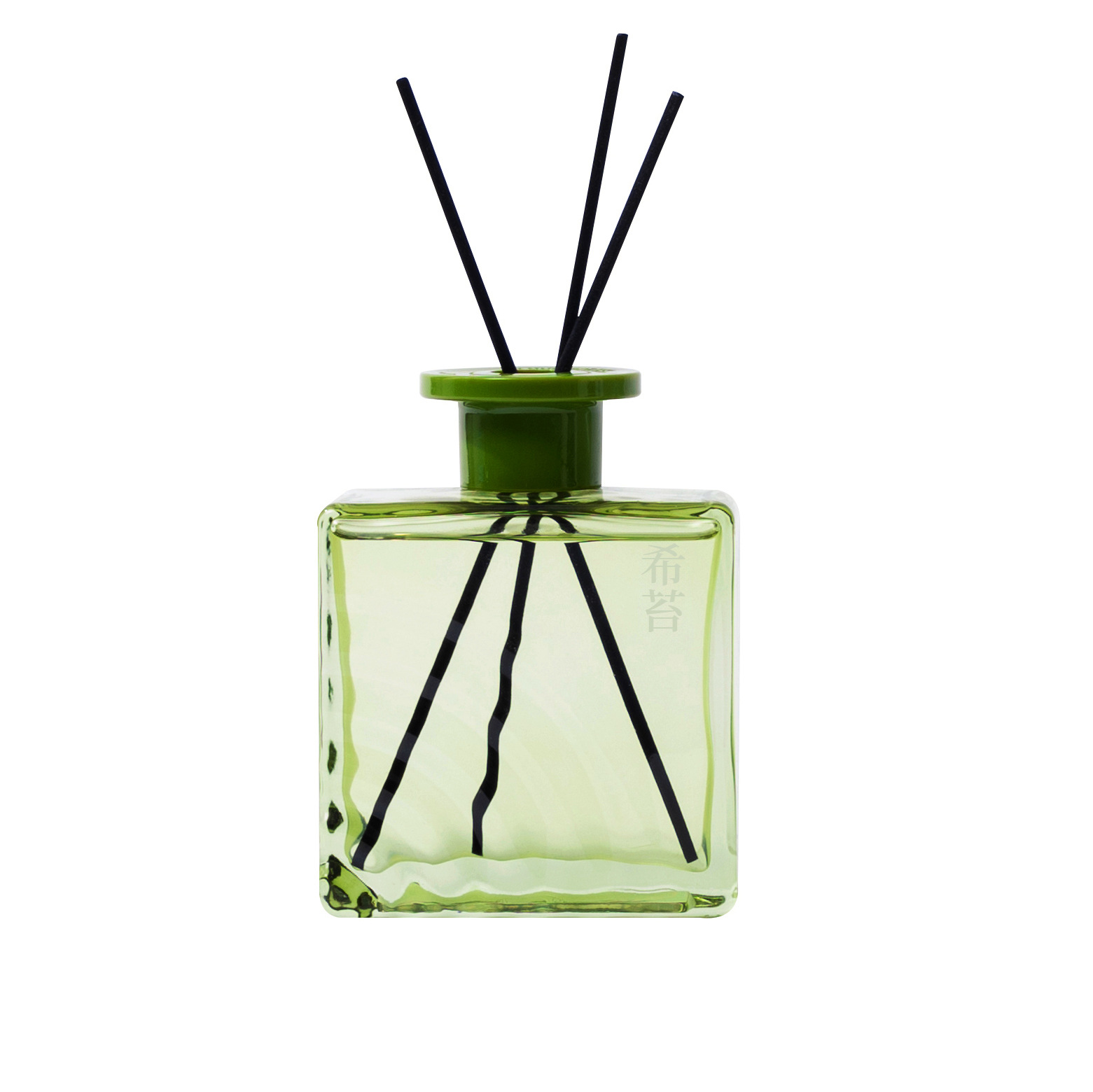
(zer plastiko mota den segurua olio esentzialentzat)
G: Are plastic lids and caps safe too? A: Galdera ona! The cap or lid matters. It touches the oil or the blend. Make sure it’s also made from a safe plastic. Normalean, it’s the same material as the bottle (HDPE, PET, LDPE) or PP (polypropylene, zenbakia 5). PP is generally safe. Avoid caps made from PVC or other risky plastics.