


Moʻomeheu Hikina a me ka Noʻonoʻo ʻAla Huakai | ScentSerenade

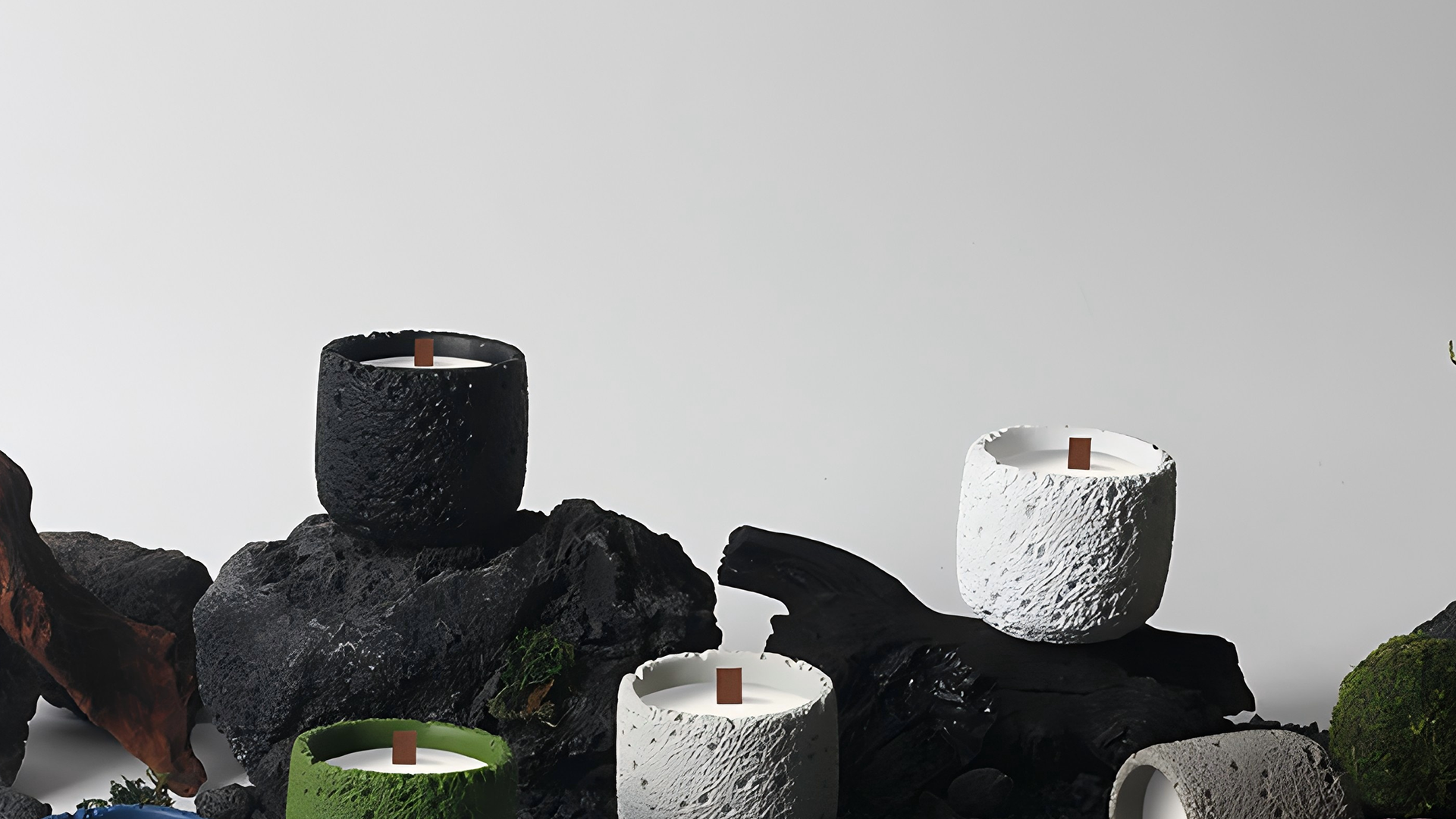
Why Hand-Poured Aromatherapy Candles with Essential Oils Work
If you want a candle that actually does something more than just burn, you need hand-poured aromatherapy candles with mea nui aila. Not synthetic fragrance. Not a generic $5 jar. We’re talking about a product made by someone who understands that the oil, wax, and wick must work together to deliver a true therapeutic effect.
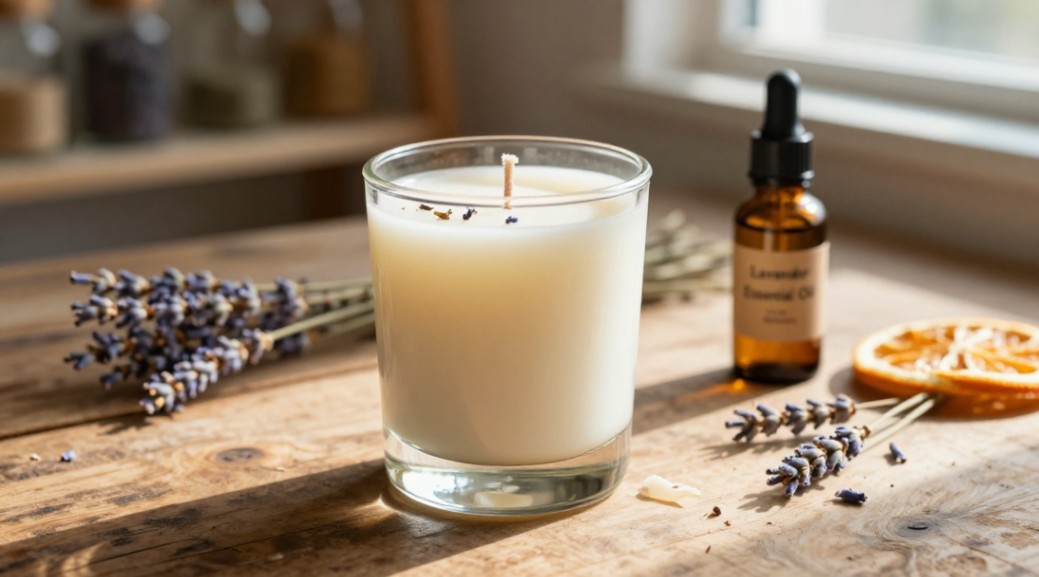
Let’s skip the fluff and get straight to what matters: the exact process for making (or buying) a kukui that fills your room with real lavender or peppermint—not chemical fumes.
ʻanuʻu 1: Choose the Right Wax for Essential Oil Retention
Not all wax holds essential oils the same way. If you pick the wrong wax, kou hand-poured ʻalaʻala candles with essential oils will smell like nothing when lit.
- He wax au (domestic, not blended): Holds up to 10% oil load. Slow burn. Great for hot throw.
- Wax niu: Holds 12%+ oil load. Smoother texture. Excellent cold throw.
- Lilo pī: Holds about 6-8% oil load. ʻAla meli maoli. Harder texture.
- Never use paraffin. It doesn’t bind with essential oils the same way, and it emits toxins.
Our rule of thumb: use a blend of 70% soy wax and 30% wax niu. This combo holds 10% mea nui oil without any separation or weeping.
ʻanuʻu 2: Understand the Difference Between Essential Oils and Fragrance Oils
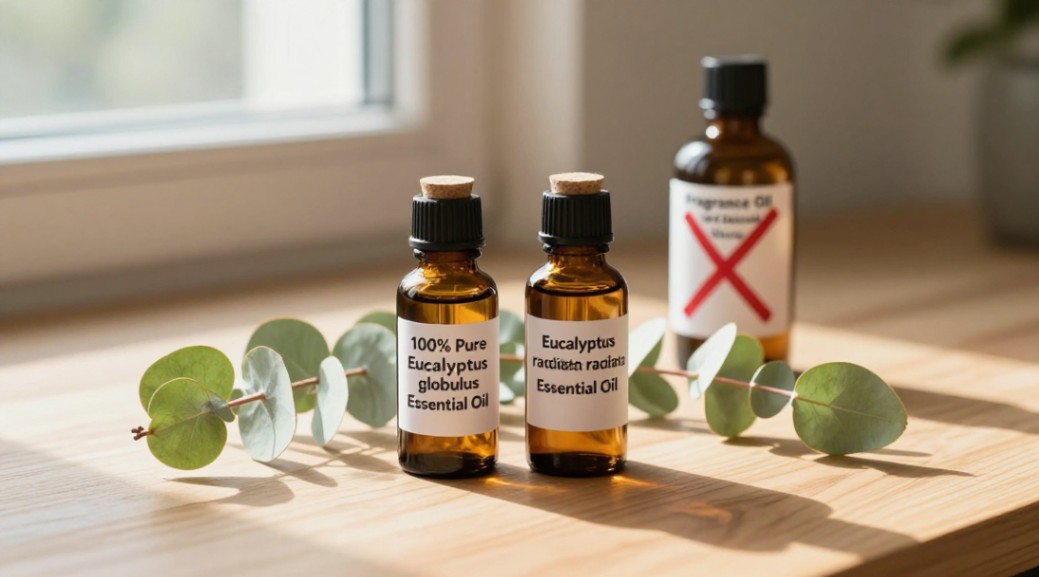
This is where most people go wrong. Hand-poured aromatherapy candles with ʻaila nui must use 100% ʻaila ʻaila maʻemaʻe. Synthetic fragrance oils are not medicine. They are chemical cocktails designed to smell good for a few seconds.
- Essential oils are volatile aromatic compounds extracted from plants. They produce a complex, layered scent that changes as the candle burns.
- Synthetic fragrance oils are lab-made. They smell consistent but flat, and some release phthalates or VOCs when heated.
- For therapeutic effect, you need the genuine plant chemistry. ʻO ka ʻaila nui Lavender (Lavandula angustifolia) contains linalool and linalyl acetate. Synthetic ‘lavender’ fragrance does not.
Heluhelu i nā lepili. Inā ʻōlelo “ʻaila ʻala,” it’s not an aromatherapy candle.
ʻanuʻu 3: Calculate the Correct Essential Oil Load Percentage
Too little oil gives no scent. Too much oil creates a fire hazard or causes the candle to weep oil. We use a precise ratio.
No ka mea hand-poured aromatherapy candles with essential oils, the safe and effective load is 8% i 10% of the total wax weight.
| Wax Weight (kalaima) | 8% Oil Load (kalaima) | 10% Oil Load (kalaima) |
|---|---|---|
| 100g | 8g (kokoke. 8 ml) | 10g (kokoke. 10 ml) |
| 200g | 16g | 20g |
| 400g | 32g | 40g |
Always weigh your oils. Don’t guess. Use a gram scale. Mix the oils into the wax at exactly 175°F (79°C)—not hotter, not cooler. Hotter burns off the therapeutic compounds. Cooler, and they don’t bind.
ʻanuʻu 4: Use Lead-Free Cotton or Wooden Wicks for Clean Burning
The wick is the engine of your candle. A bad wick ruins everything.
- Cotton wicks: Clean burn, minimal soot. Use a paper-core wick for larger vessels (3.5″+ anawaena) to ensure a full melt pool.
- Wooden wicks: Crackle sound adds ambiance. Requires a slightly wider opening in the vessel. No lead, no zinc.
- Never use a wick with a metal core. Lead wicks were banned in the US in 2003, but counterfeit ones still exist. Test with a magnet. If the wick is magnetic, e hoolei aku.
For a standard 8 oz (225g) jar, use a cotton wick size #ECO-8 or #CD-10. For wooden wicks, choose a size that matches your vessel diameter—typically 3/4″ wide for a 3″ diameter jar.
ʻanuʻu 5: Master the Pouring Temperature
If you pour too hot, you trap air bubbles and cause sinkholes. Too cold, and the wax sets unevenly. No ka mea hand-poured aromatherapy candles with essential oils, follow these temperatures exactly:
- Melt wax to 185°F (85°C).
- Remove from heat and add essential oils at 175°F (79°C).
- Stir gently for 2 minutes—don’t beat air into the wax.
- Pour into prepared jars at 165°F (74°C).
This temperature window ensures maximum scent throw and a smooth, professional-looking top. No cracking, no frosting.
ʻanuʻu 6: Cure Your Candles for Maximum Potency
Patience is hard. Loaʻa iā mākou. But if you burn a candle the same day you pour it, you’re wasting oil. Essential oils need time to bond with the wax.
- Cure hand-poured aromatherapy candles with essential oils no ka mea 7 i 14 lā before first burn.
- E mālama iā lākou i kahi anuanu, wahi pouli (60-70°F / 15-21°C).
- Cover with a lid or plastic wrap to prevent dust and light exposure.
- During cure, the scent profile deepens. Top notes soften, middle notes bloom, base notes anchor.
We once tested a lavender candle at day 3 vs. lā 12. Lā 12 had 3x the perceived strength. Cure. It matters.
ʻanuʻu 7: Burn Correctly to Maximize Therapeutic Effects
You made or bought a premium candle. Don’t ruin it by burning wrong.
- First burn: 3 i 4 hola minimum. This creates a full melt pool to the edges of the jar. Me ka ʻole o kēia, the candle tunnels and wastes wax.
- Subsequent burns: 2 i 3 hours maximum. Essential oils degrade after 3 hours of burning.
- E ʻoki i ka wick i 1/4 iniha (6 mm) before every burn. A long wick creates smoke and soot.
- Don’t burn for more than 4 hola i ka manawa. The therapeutic compounds break down.
One more tip: always burn your candle in a quiet space with no drafts. Drafts make the flame flicker and unevenly evaporate the wax, reducing the therapeutic effect.
ʻanuʻu 8: Store Candles Correctly to Preserve Essential Oil Potency
ʻO nā aila pono he mea maʻalahi. They escape into the air if you store your candles poorly.
- Keep hand-poured aromatherapy candles with essential oils in a anu, dark cabinet away from direct sunlight.
- Always cover with a lid or tin foil if you lose the original lid.
- Do not store near heating vents or in bathrooms (humidity degrades oils).
- Ola ola: 12 i 18 mahina from the pour date. Ma hope o kēlā, scent fades significantly.
Label your candles with the pour date and oil blend. We use a simple white sticker on the bottom.
How to Identify Authentic Hand-Poured Candles vs. Mass-Produced
If you’re buying, not making, you need to spot the fakes. Big companies often market “ʻalaʻala” but use synthetic oils and automated machines.
- Hand-poured means you can see slight imperfections: a tiny sinkhole, a small swirl on top. Perfectly flat, perfectly smooth tops are from automated pouring machines.
- Label says “ʻaila ʻala”? Walk away. ʻOiaʻiʻo hand-poured aromatherapy candles with essential oils list specific essential oil names: Lavandula angustifolia (lavender), Citrus sinensis (ʻalani ʻoluʻolu), etc.
- Price too low? A 8 oz candle with 100% pure essential oils costs $18-$30 to make and sell. If it’s $8, it’s synthetic.
- Ask the maker: What wax? What oil load? What wick? A real artisan answers immediately. A reseller stumbles.
Three Essential Oil Blends for Different Outcomes
Here are the three blends we use most in our hand-poured aromatherapy candles with essential oils. These have been tested across hundreds of burns.
- Relaxation Blend (Moe): 5 kulu Lavender (Lavandula angustifolia) + 3 drops Roman Chamomile (Chamaemelum nobile) + 2 drops Cedarwood (ʻO Juniperus virginiana). Load: 8%. Burn in bedroom 30 mau minuke ma mua o ka hiamoe.
- Hoʻohui Kūʻē (Hana): 4 drops Peppermint (Mentha x piperita) + 3 drops Rosemary (ʻO Rosemary officinalis) + 3 drops Lemon (Citrus limon). Load: 9%. Burn in home office for 1-2 hola.
- Energy Blend (Morning): 5 drops Sweet Orange (Citrus sinensis) + 3 drops Grapefruit (Citrus x paradisi) + 2 drops Black Pepper (Piper nigrum). Load: 10%. Burn during breakfast or shower routine.
Always blend by weight, ʻaʻole hāʻule. These drop amounts assume a 100g wax batch. Scale up or down proportionally.
Safety Precautions You Must Follow
Aromatherapy candles are safe when made correctly. But essential oils are potent chemicals.
- Never exceed a 10% oil load. Higher loads can cause the wax to split or the wick to drown.
- Do not use phototoxic oils (bergamot, lime) i nā haʻawina kiʻekiʻe. They can cause skin sensitivity if you touch the melted wax.
- Always burn on a heat-safe surface. Never leave unattended.
- Keep away from children and pets. ʻO kekahi mau aila pono (lāʻau kī, eucalyptus) are toxic to cats and dogs in high doses.
- If a candle smokes heavily, extinguish it. The wick is too large or the oil load is too high.
We’ve made thousands of candles. Not one safety incident. Follow these rules, and you’ll have the same track record.
What You Should Do Next
Now you know the exact process—wax, oil load, temperature, wick, cure, kuni, storage. You have the knowledge to make authentic hand-poured aromatherapy candles with essential oils that actually work.
If you want to skip the DIY, find a maker who follows these exact principles. Look for someone who lists their wax type, oil percentage, and wick material. That’s the mark of a true artisan.
Start with a small batch of Relaxation Blend. 100g of soy-coconut wax. 10g of lavender/chamomile/cedarwood blend. Cure for 10 lā. Puhi no 3 hours on the first go. You’ll feel the difference within 20 minuke.
Light one tonight. Your brain will thank you.
Mea hoolako
Hoʻokumu ʻo ScentSerenade i ka hoʻohui pono ʻana i ke ʻano o ka moʻomeheu hikina me ka hana hoʻomohala hou e hana i nā huahana ʻala like ʻole.. Ke manaʻoʻiʻo nei mākou he moʻolelo a me kona manaʻo ponoʻī kēlā me kēia ʻala, no laila ke koho pono nei mākou i nā mea kūlohelohe maikaʻi loa o ka honua, hui pu me ka hana nani, a e hoʻoikaika e haʻi i kahi moʻolelo hoʻoneʻe i loko o kēlā me kēia ʻōmole ʻala.