


Oriental Culture thiab Creativity Inspired Fragrance Journey | ScentSerenade

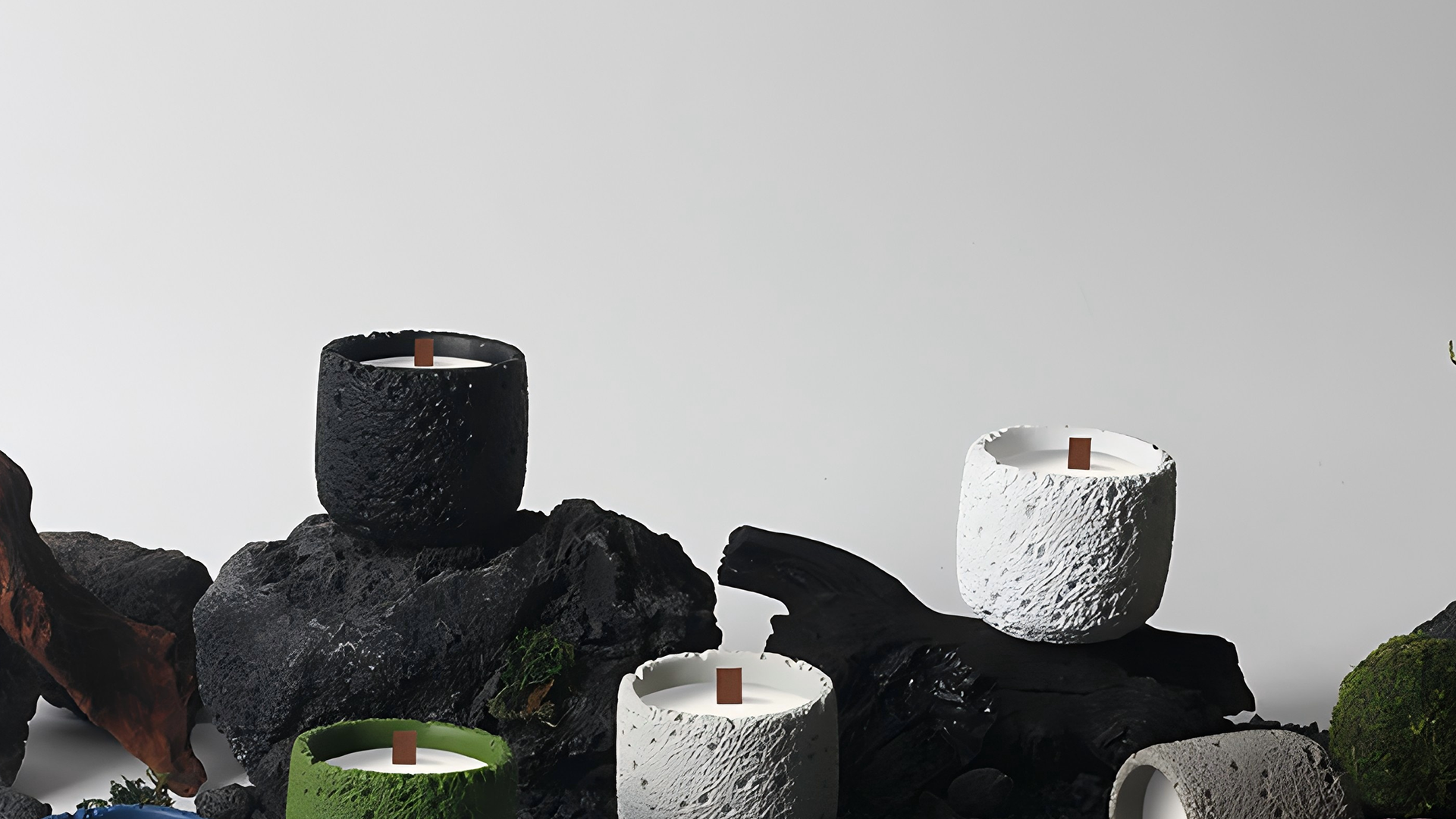
Nov yog tus lej uas yuav txwv koj: dhau 1,200 Cov hluav taws hauv tsev tau tshaj tawm txhua xyoo hauv Asmeskas ib leeg txuas ncaj qha rau cov tswm ciab thiab cov roj hlawv uas tsis muaj neeg saib. Ua ntej koj txiav txim siab tawm tsam txhua hom tshuaj tsw qab hauv tsev, xav txog qhov no-feem ntau ntawm cov hluav taws kub tau pib vim tias cov cua kub muaj zog heev, sab laug tsis muaj neeg saib xyuas, los yog muab tso rau ze ntawm cov khoom siv hluav taws xob. Cov tshuaj yej txo hwj chim lub teeb aromatherapy ciab burner rau melts ua hauj lwm ntawm ib tug txawv kiag li txoj cai: qis, indirect cua sov. Nws tsis yog txog ib tug qhib nplaim taws nyob rau hauv ib txwm kev xav. Nws yog hais txog kev tswj, maj mam sov. Thiab thaum siv kom raug, nws muaj ib theem ntawm kev nyab xeeb thiab aromatic purity uas feem ntau tswm ciab tsuas tsis phim. Cia kuv taug kev koj raws nraim li cov cuab yeej no, vim li cas nws tab tom ntsib ib tug loj renaissance, thiab koj yuav siv nws li cas los hloov koj lub tsev yam tsis muaj kev pheej hmoo ntxiv.
Qhov Yooj Yim Mechanics ntawm Tea Light Warmer
Tshem tawm cov lus zoo nkauj. Tshuaj yej lub teeb aromatherapy ciab lub tshuab hluav taws xob yog ib qho khoom siv nrog ob txoj haujlwm. Ua ntej, nws tuav ib tug me me, unscented tshuaj yej teeb tswm ciab nyob rau hauv ib tug compartment hauv qab no. Thib ob, nws txhawb ib lub tais los yog tais saum toj no qhov chaw kub. Cov zaub mov ntawd tuav koj cov ntxhiab tsw qab melts. Raws li cov tshuaj yej teeb hlawv, nws heats cov cua daig nyob rau hauv qis chamber. Cov cua kub ntawd nce thiab ua kom sov lub tais saum toj no. Lub wax melts - feem ntau yog ib qho kev sib xyaw ntawm soy, zib mu, los yog paraffin infused nrog cov roj yam tseem ceeb - maj mam liquify thiab tso lawv cov ntxhiab rau hauv chav. Tsis muaj pa luam yeeb. Tsis soot (los ntawm melt nws tus kheej). Tsuas yog qeeb, ib txwm vaporization ntawm tus ntxhiab. Ntau tus neeg siv ntawm Reddit thiab hauv cov rooj sib tham aromatherapy tau sau tseg tias qhov kev tso tawm qeeb qeeb no khaws cov ntawv sau saum toj kawg nkaus ntawm cov roj tseem ceeb zoo dua li lub tshuab hluav taws xob uas muaj peev xwm qee zaum overheat thiab hlawv cov roj sib txuas..
The key here is the low-and-slow principle. A standard tea light produces roughly 30 rau 50 watts of heat energy. That is significantly less than most electric warmers or the flame of a wick tswm ciab. This lower heat output means the wax never reaches its smoke point. It liquefies, but it does not vaporize aggressively. This results in a more subtle, longer-lasting scent throw. For a small to medium-sized room (mus txog 250 square feet), this is perfect. For larger spaces, you might need two burners placed at opposite ends of the room.
Tea Light vs. Electric Warmer: The Real Trade-Off
Stick with me here, because this is where most people get confused. An electric wax warmer uses a hot plate that is thermostatically controlled. It is safer in the sense that there is no open flame. Txawm li cas los, the electric warmers often get too hot for delicate aromatherapy blends. I have tested dozens of models. Many cheap electric warmers hit 140°F (60°C) or more on the dish surface. At that temperature, lighter essential oil molecules (like citrus and floral notes) evaporate within minutes. You get a huge initial blast of scent, then nothing. A tea light aromatherapy wax burner for melts, by contrast, typically maintains a dish temperature between 110°F and 130°F (43°C to 54°C). This is the sweet spot. The wax melts fully, but the essential cov roj release slowly over the course of the entire tea light burn-usually 3 rau 4 hours per candle. The trade-off? You have to manage a small flame. But with the right habits, that is easy.
How to Choose the Right Tea Light for the Best Melt
Not all tea lights are created equal. This is a detail many guides skip, but it is critical. You need a tea light with a burn time of at least 3.5 rau 4 teev to fully melt a standard 1-ounce (28g) wax melt cube. Many discount store tea lights burn for only 2 rau 2.5 teev. That is not long enough. The wax might only half-melt, leaving a solid core that never releases its aroma. Then the flame dies, the wax solidifies again, and you waste that melt. Look for tea lights labeled as 4-hour burn time or longer. They are usually slightly taller or have more wax (approx. 9g to 12g of wax per cup compared to 6g for short burn lights).
You also need to consider the flame height. A tea light with a very high flame will heat the dish unevenly. You might melt the wax in the center while the edges stay solid. A stable, low flame is what you want. If your burner has a tall section below the dish, you might need a larger tea light or a specific brand that produces a taller flame. This is a practical detail: if the dish is too far from the flame, the heat dissipates before it hits the bowl. The ideal distance between the top of the tea light flame and the bottom of the dish is about 1.5 ntiv tes (3.8 cm). Measure yours. If it is more than 2 ntiv tes (5 cm), you may need a different burner or a longer-burning tea light.
Kev nyab xeeb ua ntej: The Non-Negotiable Rules
Let me be direct. You are dealing with a flame inside your home. Respect it. The single most common mistake people make is leaving the burner unattended. I don’t mean walking out of the room for 30 vib nas this. I mean leaving the house. Do not do it. Tsis txhob, ever leave a burning tea light unattended. Every Reddit thread about wax melt accidents has the same story: someone left a burner on, a cat knocked it over, or the surface below caught fire. Always place the burner on a stable, tshav kub-resistant nto. A ceramic tile, a stone trivet, or a metal tray works perfectly. Never place it directly on wood, yas, or fabric. Keep it at least 12 ntiv tes (30 cm) away from curtains, cov ntawv, los yog ib yam dab tsi flammable. And here is a trick from the pros: place the burner on a small, tiaj tus, ceramic tais. If the wax spills over (which can happen if you overfill), the ceramic dish catches it. Cleanup is simple. No damage to your table.
The Critical Rule: No Water in the Dish
Here is a mistake that can shatter your burner. Do not add water to the dish. Some people think it helps distribute the heat or makes the wax melt faster. It does not. Water turns to steam at 212°F (100°C). The trapped steam pressure can cause a ceramic or glass dish to crack or explode. Glass tea light burners are particularly vulnerable to this. A sudden temperature change-like adding cold water to a hot dish-can cause thermal shock. You end up with a broken burner and hot wax everywhere. Use only dry wax melts. If the burner is empty and hot, let it cool completely before cleaning it.
Best Wax Melt Types for True Aromatherapy
Not all wax melts are created equal for aromatherapy. If you are looking for therapeutic benefits, you need to look at the base wax and the fragrance source. Many mass-market melts use paraffin wax and synthetic fragrance oils. They smell strong, but they offer zero aromatherapy benefit. Some synthetic fragrances can even trigger headaches or allergies. For genuine aromatherapy, you want a melt made from a natural wax base-soy, zib mu, or coconut wax-infused with pure essential oils or high-quality natural isolates. Soy wax is the most common because it holds fragrance well and burns cleanly. Beeswax has a natural honey scent that blends beautifully with floral or citrus oils. Coconut wax is softer and melts at a lower temperature, making it ideal for tea light burners.
tshuaj tsw qab without any specific essential oils listed, it is likely synthetic. Look for terms like100% pure essential oilsornatural aroma compounds. A good quality aromatherapy melt will list the specific oils used-lavender, eucalyptus, kua txob, etc.-and often the percentage. A typical melt cube (txog 0.5 rau 1 ooj, los yog 14 rau 28 grams) should contain 6% rau 10% essential oil concentration for a noticeable but safe aroma.
Perfect Placement for Scent Distribution
The location of your tea light aromatherapy wax burner for melts dramatically affects how well the scent fills the room. Place it at least 3 feet (1 meter) off the ground. A shelf, a mantlepiece, or a side table works well. Do not put it on the floor. Scent molecules are heavier than air when bound to wax vapor. They sink. If the burner is on the floor, the scent stays low. You will miss the benefit. Kuj, do not place it near an open window or a drafty door. The moving air will carry the scent outside. A corner of the room with stable air is ideal. The scent will slowly diffuse outward in a gentle wave. In a 200-square-foot room, a single burner should provide a moderate scent level. If the room is open plan, you may need two burners at opposite ends.
How to Clean and Maintain Your Burner
Cleaning a tea light burner is a small routine that pays off. If you let wax residue build up, it can burn, darken, and produce a smoky smell the next time you use it. The easiest method: let the burner cool completely. The wax will harden. Ces, set the dish in the freezer for 15 rau 20 feeb. The wax shrinks and contracts. It will often pop right out in one piece if the dish is ceramic or glass. If it does not pop out, use a plastic spatula or the edge of a plastic knife to gently pry it loose. Do not use metal tools on ceramic-you will scratch the glaze.
Rau tawv tawv residue, you can warm the dish gently (place it in a 170°F/77°C oven for 5 feeb) and wipe it out with a paper towel. Or use a small amount of rubbing alcohol on a cotton ball. Alcohol dissolves wax residue without damaging the dish. Never wash a ceramic or glass burner with soap and water while it is still warm. Thermal shock can crack it. Clean it cold, or after it has been heated gently and evenly.
Common Mistakes and How to Avoid Them
- Overfilling the dish: Do not fill the dish more than halfway. As the wax melts, it expands slightly. If you fill it to the brim, melted wax will spill over the edge when you move the burner. A full cube (1 ib oz / 28g) is usually enough for a 3-inch (7.6 cm) diameter dish.
- Using multiple tea lights under one burner: Some people think two tea lights under one dish will make the wax melt faster. It can overheat the wax and cause it to smoke. Stick to one tea light per burner.
- Storing melts in direct sunlight: Essential oils are photodegradable. UV light breaks down their molecular structure. Store your wax melts in a cool, qhov chaw tsaus. An airtight container in a cupboard is best. This extends their shelf life from 6 months to over a year.
- Not trimming the tea light wick before use: If the wick is too long (dhau 1/4 inch or 6mm), the flame will be too high and produce soot. Trim rau 1/8 nti (3mm) for a clean, low flame.
Ceramic vs. Metal vs. iav: Which Burner Material Wins?
This choice affects heat retention, kev nyab xeeb, and aesthetics. Here is a quick breakdown based on my 20 years of testing.
| Khoom siv | Heat Retention | Safety Factor | Zoo tshaj rau |
|---|---|---|---|
| Ceramic | Excellent. Stays warm long after the flame is out. | Siab. Thick walls insulate the heat. Low risk of breaking from heat (but can chip if dropped). | Aromatherapy users who want consistent low heat and a wide variety of artistic designs. |
| Metal (Steel/Aluminum) | Low to Moderate. Heats up fast but cools quickly. | Siab heev. Virtually unbreakable. The handle (if present) can get very hot. | Kids’ chav, taug kev, or high-traffic areas where ceramic might break. Modern industrial look. |
| iav | Tsawg. Glass does not hold heat well. | Nruab nrab. Risk of thermal shock if heated unevenly. Never use with water. | Visual appeal. You can see the wax melt and the flame through the glass. Good for showpieces, but less practical for daily use. |
My personal recommendation? Start with a ceramic burner. It provides the most stable heat profile for essential oil preservation. Look for one with a wide, stable base (yam tsawg kawg 4 ntiv tes / 10 cm in diameter) to prevent tipping. The dish should be at least 1 nti (2.5 cm) deep to hold the melted wax without splashing.
Frequently Asked Questions About Tea Light Wax Burners
Does aromatherapy actually work?
Yog lawm, but with realistic expectations. The olfactory system has a direct connection to the limbic system in the brain-the area that controls emotions and memory. Inhaling lavender essential oil, piv txwv, has been shown in peer-reviewed studies to reduce cortisol levels and promote relaxation. A tea light aromatherapy wax burner for melts delivers these molecules slowly and consistently. It is not a magic cure, but as a tool for ambiance and mood support, it is highly effective. Many users on Reddit report that using a lemon or peppermint melt in their workspace helps them stay focused during long coding or writing sessions.
How many drops of essential oil do you use in a wax wrap?
If you are making your own wax melts, use a ratio of 10 rau 15 drops of essential oil per 1 ooj (28g) of melted wax. That is roughly a 6% rau 8% concentration. For strong scents like peppermint or eucalyptus, lo rau 10 poob. For lighter scents like lavender or orange, you can go up to 15 poob. Stir the oil into the wax at 150°F (65°C) just before pouring into molds. Overheating the oil will degrade its properties.
Is it safe to use an aromatherapy diffuser with water on a wax burner?
Tsis muaj. A tea light wax burner is not designed for water. If you want to use essential oils with water, use an ultrasonic diffuser. Mixing water into your wax burner’s dish creates a steam explosion risk. If you want to use oils without wax, you can place a few drops of oil directly onto the warm dish of a tea light burner, but the oil will evaporate quickly and might leave a sticky residue. Using wax melts is the safer, more controlled method.
Your First Step Toward a Cozy, Scented Home
You now know exactly what a tea light aromatherapy wax burner for melts is and how it works. You understand the safety rules. You know the difference between a good wax melt and a synthetic imitation. The only thing left is to try it. Pib me me. Pick up a simple ceramic burner, a pack of unscented 4-hour tea lights, and a single sample pack of soy-based wax melts with a scent you love-lavender for relaxation, or eucalyptus for clarity. Set it up in a stable place. Light the tea light. Watch the wax pool. Inhale. That is it. That is the ritual. If you find you love it, you can expand to different scents and burners. If you don’t, you are out very little money. But give it a real shot. Find a quality burner and a set of melts that calls to you. Your home will thank you for the warmth.
Tus neeg muab khoom
ScentSerenade tau cog lus kom ua tiav cov ntsiab lus ntawm kev coj noj coj ua ntawm oriental nrog kev muaj tswv yim niaj hnub los tsim cov khoom lag luam tshwj xeeb thiab cov khoom tsw qab.. Peb ntseeg tias txhua tus ntxhiab tsw muaj nws tus kheej zaj dab neeg thiab kev xav, yog li peb ua tib zoo xaiv lub ntiaj teb cov khoom xyaw ntuj zoo tshaj plaws, ua ke nrog exquisite craftsmanship, thiab siv zog qhia zaj dab neeg txav hauv txhua lub raj mis.