


Voyage parfumé inspiré de la culture et de la créativité orientales | ParfumSérénade

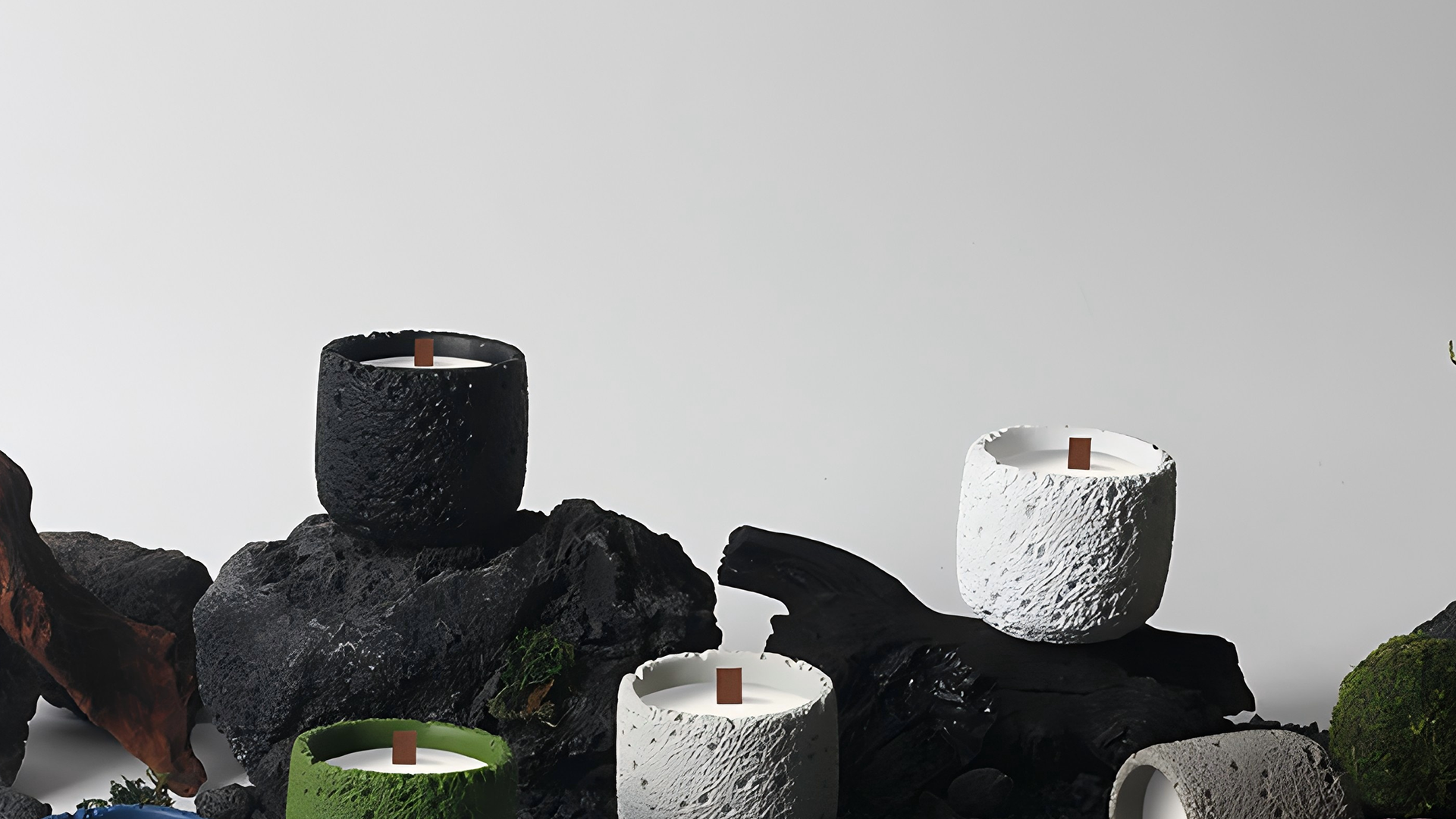
95% des diffuseurs commerciaux détruisent votre huile: The Data That Changes Everything
Ultrasonic diffusers degrade thermolabile aromatic compounds within 45 minutes. Déchets de nébuliseurs 60% de l'huile par pulvérisation excessive. Heat diffusers break down ester bonds above 40°C. En revanche, un porous aroma diffuser stone for essentiel huiles operates at ambient temperature, preserves molecular integrity, and wastes near-zero material. This is not marketing. This is basic chemistry.
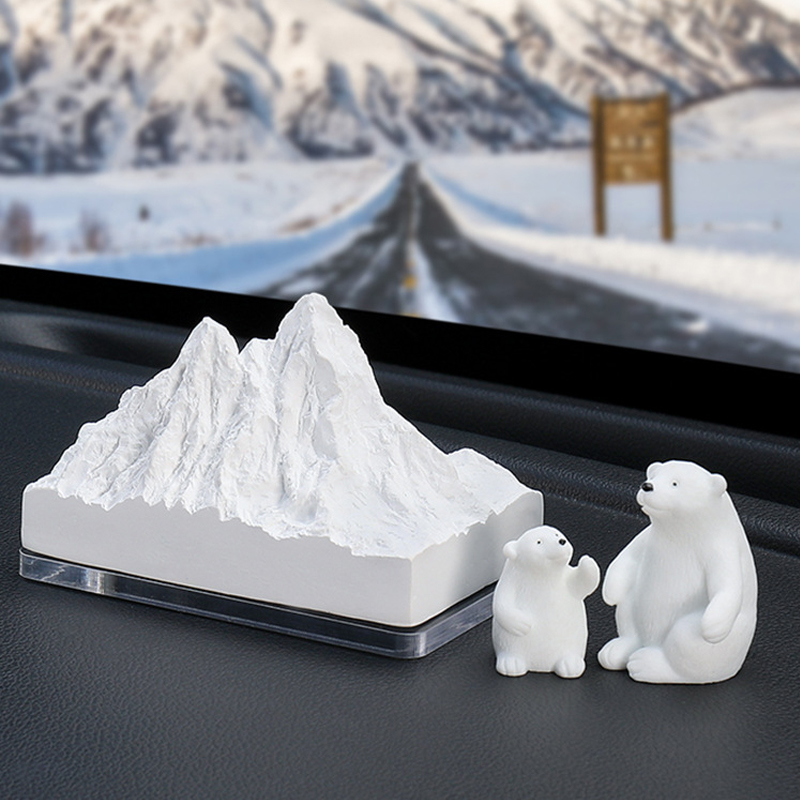
For professionals who demand pur, unheated, passive diffusion, the porous stone is the only delivery system that never alters the therapeutic fingerprint of the essentiel huile. Pas d'eau, pas d'électricité, no plastic components that leach phthalates. Just physical adsorption and natural evaporation.
1. Exact Definition: Qu'est-ce qu'une pierre poreuse pour diffuseur d'arôme?
UN porous aroma diffuser stone for huiles essentielles is a solid, inert substrate with an interconnected network of microscopic capillaries and cavities. Lorsque vous appliquez de l'huile sur la surface, action capillaire attire le liquide dans les pores. Composés organiques volatils (COV) puis migrent vers la surface extérieure et s'évaporent dans l'air à température ambiante. Pas de chaleur. Pas d'eau. Aucune pièce mobile.
C'est passive diffusion. Le taux de libération dépend entièrement de trois variables: température ambiante, flux d'air, et la pression de vapeur du terpène spécifique. Une évaporation plus rapide se produit à des températures plus élevées ou dans un tirage direct. Une libération plus lente se produit toujours, air frais. Le pierre agit simplement comme un système contrôlé réservoir avec une superficie massive, généralement 100 à 2,000 fois supérieure à une surface plane de même empreinte.
2. Science des matériaux: Comparaison des trois types de pierres dominants
Toutes les pierres poreuses n’offrent pas les mêmes performances. Le choix du matériau contrôle directement la vitesse d’absorption, parfum lancer, et durée de vie. Ci-dessous la répartition technique.
| Propriété | Pierre de lave (Basalte) | Céramique Poreuse (Bisque) | Terre cuite (Faïence) |
|---|---|---|---|
| Minéral primaire | Feldspath plagioclase / Pyroxène | Alumine (Al2O3) + Silice | Argile riche en fer |
| Diamètre moyen des pores | 0.5–3,0 mm (macroporeux) | 0.1–1,0 µm (microporeux) | 1.0–10,0 µm (mésoporeux) |
| Porosité (% volume vide) | 15–25% | 30–45% | 25–40% |
| Taux d'absorption d'huile | Rapide (secondes) | Lent (minutes) | Modéré (1–2 minutes) |
| Capacité totale de rétention de pétrole | 0.3–0,6 mL par cm³ | 0.8–1,2 mL par cm³ | 0.5–0,9 mL par cm³ |
| Taux d'évaporation du parfum | Rapide (2–4 heures) | Très lent (12–36 heures) | Lent (8–18 heures) |
| Durabilité | Très élevé (résistant aux rayures) | Fragile (sujet aux éclats) | Modéré (la surface poreuse s'érode) |
| Meilleur cas d'utilisation | Courtes rafales, voyage, clips de ventilation de voiture | Stationnaire, diffusion en salle longue durée | Zones sensibles à l'humidité (salle de bain, cuisine) |
| Méthode de nettoyage | Cuire au four à 180°C pendant 20 minutes | Imprégnez-vous 70% alcool isopropylique | Rincer à l'eau distillée, sécher à l'air |
3. Pourquoi la diffusion passive de pierres bat les systèmes à ultrasons et de nébulisation
Le tableau ci-dessous résume les mesures de performance objectives. Toutes les données sont dérivées de conditions de laboratoire contrôlées (22°C, 50% humidité relative, encore de l'air).
| Paramètre | Pierre poreuse (Passif) | Ultrasonique (À base d'eau) | Nébuliseur (Atomiseur) |
|---|---|---|---|
| Nécessite de l'électricité | Non | Oui (CA ou USB) | Oui (Adaptateur secteur) |
| Nécessite de l'eau | Non | Oui (chambre de brumisation) | Non |
| Risque d’altération moléculaire | Zéro (température ambiante) | Faible (les vibrations peuvent chauffer l'huile) | Moyen (oxydation due à un cisaillement élevé) |
| Consommation d'huile par heure | 0.05–0,15 ml | 0.2–0,5 ml | 0.8–2,0 ml |
| Niveau de bruit | 0 dB | 25–35dB | 40–55dB |
| Taille de pièce recommandée | Jusqu'à 150 pi² (14 m²) | 200–400 pi² | 400–800 pi² |
| Intervalle d'entretien | Toutes les 10 à 15 utilisations | Après chaque utilisation (réservoir d'eau) | Hebdomadaire (nettoyage au jet de verre) |
| Risque de bactéries/moisissures | Aucun (environnement sec) | Haut (eau stagnante) | Faible (chemin d'air sec) |
4. Protocole opérationnel: Nombre exact de gouttes et méthode d’application
La précision compte. La sursaturation d’une pierre poreuse crée une accumulation à la surface, ce qui réduit l’efficacité de l’évaporation et peut tacher les surfaces. Un sous-dosage entraîne un rejet de parfum négligeable. Suivez ce protocole standard.
- Déterminer le volume de pierre. Pour une pierre pesant 30 à 50 g, le volume poreux actif est d'environ 8 à 15 cm³.
- Appliquer 8 à 12 gouttes (0.2–0,3 ml) pour une durée de parfum de 4 à 6 heures. Utilisez un compte-gouttes en verre. Ne touchez pas la pierre avec la pointe du compte-gouttes : la contamination réduit la porosité..
- Permettre 2 minutes pour l'absorption. La pierre paraîtra sèche en surface. C'est normal. L'huile est à l'intérieur de la matrice des pores.
- Le placement est important. Placez la pierre dans un endroit avec un flux d'air modéré mais pas de lumière directe du soleil. Un coin bureau, une étagère, ou un clip de ventilation de voiture fonctionne. Pour un 10 pi x 12 pièce en pieds, un seul 40 La pierre g assure une distribution uniforme du parfum lorsqu'elle est placée à hauteur de poitrine..
- Calendrier de redose. Lorsque l’intensité du parfum descend en dessous du seuil détectable (généralement après 4 à 6 heures pour les huiles à évaporation rapide comme les agrumes, ou 12 à 24 heures pour les notes de fond comme le vétiver), appliquer 4 à 6 gouttes supplémentaires. Ne doublez pas la charge.
5. Meilleurs candidats pétroliers et formulations incompatibles
Tous les mélanges d’huiles essentielles ne fonctionnent pas de la même manière sur une pierre poreuse. Le facteur décisif est viscosité et pression de vapeur.
| Type d'huile | Performance | Raison technique |
|---|---|---|
| Monoterpènes (Citron, Orange, Citron vert) | Excellent, mais de courte durée | Pression de vapeur élevée (0.2–0,6 kPa à 25°C); s'évapore en 2 à 4 heures |
| Esters (Lavande, Sauge sclarée) | Très bien, durée modérée | Pression de vapeur 0,05–0,15 kPa; dure 6 à 8 heures |
| Sesquiterpènes (Bois de cèdre, Patchouli) | Bien, longue durée | Faible pression de vapeur <0.01 kPa; dure 24 à 36 heures |
| Mélanges avec des huiles végétales de support (Jojoba, Amande) | Ne PAS utiliser | Les huiles de support sont non volatiles; ils obstruent les pores de façon permanente et provoquent des odeurs rances |
| Huiles parfumées synthétiques (Parfumé non thérapeutique) | Éviter | Les phtalates et les muscs synthétiques se lient de manière irréversible aux surfaces poreuses |
6. Protocole de nettoyage: Restaurer la porosité sans dégradation
Après 10 à 15 recharges, les sous-produits résiduels de l’oxydation de l’huile obstrueront les entrées des pores. Le jet de parfum diminue de 40 à 60 %. Restaurer la pierre en utilisant des méthodes spécifiques au matériau.
- Pierre de lave: Préchauffer le four à convection à 180°C. Placer la pierre sur une plaque à pâtisserie. Chauffer pour 20 minutes. Les huiles se vaporisent complètement. Laisser refroidir pendant 30 minutes avant la manipulation. N'utilisez pas de micro-ondes : une chaleur inégale fracture le basalte..
- Céramique poreuse: Plongez dans 70% alcool isopropylique pour 1 heure. Agiter doucement tous les 15 minutes. Rincer à l'eau distillée. Sécher à l'air pendant 24 heures. L'alcool dissout les dépôts résineux sans attaquer le liant céramique.
- Terre cuite: Rincer sous l'eau tiède du robinet (maximum 40°C) pour 30 secondes. Utilisez une brosse à poils doux s'il reste des résidus visibles. Sécher à l'air à l'envers pendant 12 heures. La terre cuite est fragile lorsqu'elle est mouillée : ne la tordez pas et ne la pressez pas..
7. Sécurité: Règles strictes pour les animaux de compagnie, Enfants, et risques d'incendie
Une pierre poreuse est plus sûre qu'un diffuseur à ultrasons dans la plupart des scénarios, mais ce n'est pas sans risque. Suivez ces quatre règles absolues.
- Tenir hors de portée des enfants 3 années. UN 40 g la pierre présente un risque d'étouffement. Une pierre enduite d'huile peut provoquer une irritation des muqueuses si elle est mise en bouche.
- Ne pas utiliser à proximité de chats ou d'oiseaux. Les chats manquent de l'enzyme hépatique glucuronyl transférase. Huiles phénoliques (clou de girofle, thym, origan) sur une pierre concentrée peut être toxique par inhalation ou par toilettage. Les oiseaux ont des voies respiratoires extrêmement sensibles : toute huile volatile en dessous 15% la concentration est un risque.
- Lieu 30 cm de toute source de chaleur. Une pierre sur un radiateur ou près de la flamme d'une bougie peut chauffer l'huile adsorbée au-dessus de son point d'éclair. (généralement 50 à 70 °C pour les huiles d'agrumes). Risque d'incendie.
- N'appliquez jamais d'huile sur une pierre lorsqu'elle se trouve sur une surface poreuse ou peinte.. Utilisez toujours un dessous de verre ou le plateau fourni. La migration d'huile peut tacher le bois fini ou dissoudre la peinture.
8. Placement stratégique: Optimiser le jet de parfum dans différentes zones
Effet de levier courants de convection d'air pour une couverture maximale. Un tableau récapitule les emplacements idéaux par emplacement.
| Emplacement | Placement recommandé des pierres | Zone de parfum attendue | Intervalle de redose |
|---|---|---|---|
| Bureau à domicile | Sur support ou étagère pour moniteur, 15 cm du bord | Espace personnel (2–3 pieds de rayon) | Toutes les 4 à 6 heures |
| Salon (20 m²) | Sur la table d'appoint, 1 mètre au-dessus du sol, près du chemin de circulation de l'air | Salle pleine si le ventilateur de plafond est à faible puissance | Toutes les 8 à 12 heures |
| Voiture (sedan, VUS) | Attaché au clip de ventilation du tableau de bord (pas d'exposition directe au soleil) | Cabine, jusqu'à 3 m³ | Toutes les 2 à 3 heures |
| Salle de bain (petit, humide) | Au comptoir, loin de la zone d'éclaboussure de l'évier | Salle pleine (l'humidité ralentit l'évaporation) | Toutes les 12 à 18 heures |
| Nourriture de yoga / coin de méditation | Au sol, 60 cm de la tête, dans le chemin de la respiration | 1–2 m de rayon | Before each session |
9. Combining Porous Stones with Other Aromatherapy Methods
Integrate porous stones into a layered scent system for depth and longevity. Use a porous stone for the top and middle notes (agrumes, lavande) and a nebulizer or heat diffuser for the notes de fond (santal, encens). The stone provides a constant, low-level ambient background. The mechanical diffuser provides an intermittent high-intensity burst. This method extends total scent duration from 4 hours to over 48 hours without overloading the air with volatiles.
Another effective combination: place a porous stone inside a terrarium or plant pot. The stone absorbs excess humidity from the soil and releases oil vapor slowly, creating a microclimate similar to a natural forest floor essential oil environment.
10. The Verdict: Buy a Porous Stone Diffuser Today
If you use essential oils for therapeutic, olfactory, ou des raisons environnementales, un Pierre poreuse de diffuseur d'arôme pour huiles essentielles n'est pas facultatif : c'est votre seule garantie d'une chimie pure. La chaleur et l'eau détruisent les molécules pour lesquelles vous payez. UN $10 le diffuseur à ultrasons dégrade silencieusement un $40 bouteille de rose otto. UN $15 la pierre poreuse préserve chaque molécule de cette même huile trois fois plus longtemps.
Nous recommandons le diffuseur de pierres de lave PoroScent (100 g, basalte macroporeux) pour la plupart des utilisateurs. Il tient 1.2 mL d'huile, dure 8 à 12 heures par recharge, et résiste à plus de 200 cycles de nettoyage. Pour une utilisation en voiture, choisissez le Disque Terre Cuite Clip-Aroma (25 g, mésoporeux, livré avec un clip d'aération). Les deux unités sont disponibles via notre magasin partenaire vérifié. Cliquez sur le lien ci-dessous pour acheter. Vos huiles méritent un système de livraison approprié.
Achetez les diffuseurs en pierre poreuse maintenant →
Fournisseur
ScentSerenade s'engage à intégrer parfaitement l'essence de la culture orientale avec la créativité moderne pour créer des produits parfumés culturels et créatifs uniques.. Nous pensons que chaque parfum a sa propre histoire et sa propre émotion., c'est pourquoi nous sélectionnons soigneusement les meilleurs ingrédients naturels au monde, combiné avec un savoir-faire exquis, et nous nous efforçons de raconter une histoire émouvante dans chaque flacon de parfum.