


Chikhalidwe Chakum'maŵa ndi Chilengedwe Cholimbikitsa Ulendo Wonunkhira | ScentSerenade

95% of Commercial Diffusers Destroy Your Oil: The Data That Changes Everything
Ultrasonic diffusers degrade thermolabile aromatic compounds within 45 mphindi. Nebulizers waste 60% of the oil through overspray. Heat diffusers break down ester bonds above 40°C. Motsutsana, a porous aroma diffuser stone for zofunika mafuta operates at ambient temperature, preserves molecular integrity, and wastes near-zero material. This is not marketing. This is basic chemistry.
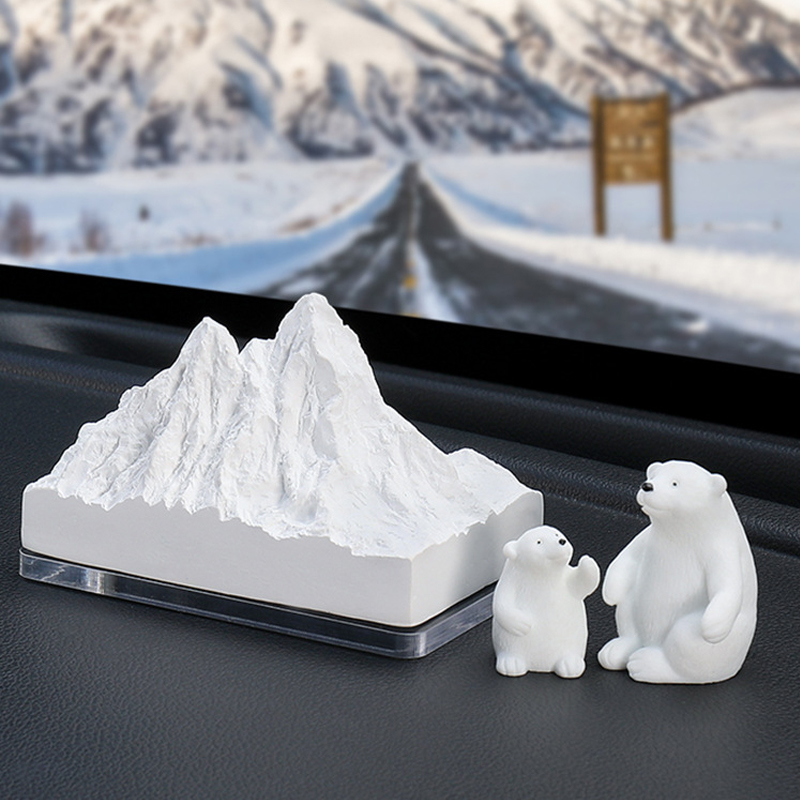
For professionals who demand woyera, unheated, passive diffusion, the porous stone is the only delivery system that never alters the therapeutic fingerprint of the zofunika mafuta. Palibe madzi, no electricity, no plastic components that leach phthalates. Just physical adsorption and natural evaporation.
1. Exact Definition: Kodi Porous Aroma Diffuser Mwala Ndi Chiyani?
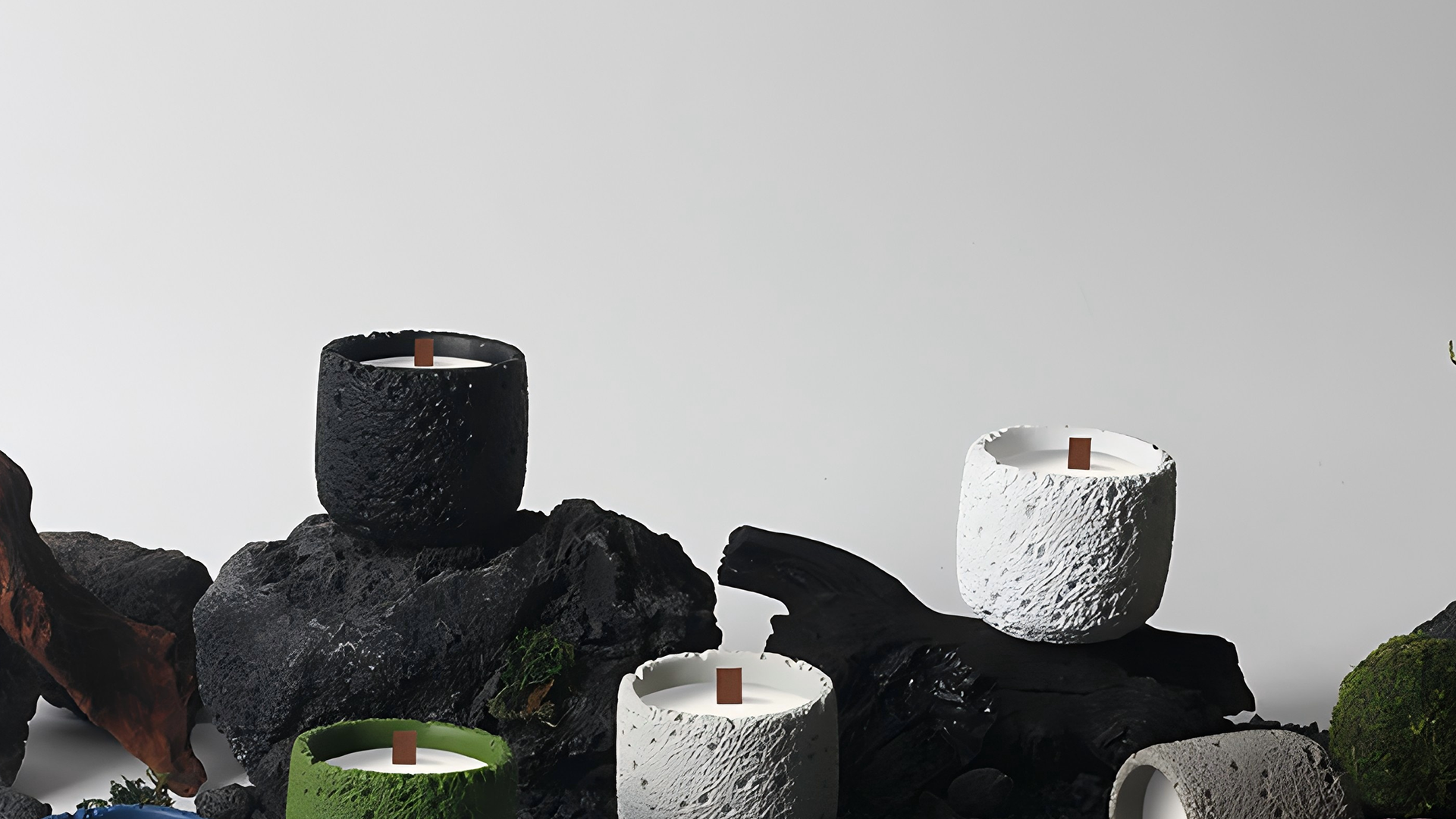
A porous aroma diffuser stone for mafuta ofunika is a solid, inert substrate with an interconnected network of microscopic capillaries and cavities. When you apply oil to the surface, capillary action draws the liquid into the pores. Volatile organic compounds (VOCs) then migrate to the outer surface and evaporate into the air at room temperature. Palibe kutentha. Palibe madzi. No moving parts.
This is passive diffusion. The rate of release depends entirely on three variables: ambient temperature, mayendedwe ampweya, and the vapor pressure of the specific terpene. Faster evaporation occurs at higher temperatures or in a direct draft. Slower release occurs in still, cool air. The stone simply acts as a controlled reservoir with a massive surface area—typically 100 ku 2,000 times greater than a flat surface of the same footprint.
2. Material Science: The Three Dominant Stone Types Compared
Not all porous stones deliver the same performance. The choice of material directly controls absorption speed, fungo throw, and lifespan. Below is the technical breakdown.
| Katundu | Lava Stone (Basalt) | Porous Ceramic (Bisque) | Terracotta (Earthenware) |
|---|---|---|---|
| Primary Mineral | Plagioclase feldspar / Pyroxene | Alumina (Al2O3) + Silica | Iron-rich clay |
| Average Pore Diameter | 0.5–3.0 mm (macroporous) | 0.1–1.0 µm (microporous) | 1.0–10.0 µm (mesoporous) |
| Porosity (% void volume) | 15–25% | 30–45% | 25–40% |
| Oil Absorption Rate | Rapid (masekondi) | Pang'onopang'ono (mphindi) | Wapakati (1–2 minutes) |
| Total Oil Holding Capacity | 0.3–0.6 mL per cm³ | 0.8–1.2 mL per cm³ | 0.5–0.9 mL per cm³ |
| Scent Evaporation Rate | Mofulumira (2-4 maola) | Very slow (12–36 hours) | Pang'onopang'ono (8–18 hours) |
| Kukhalitsa | Wapamwamba kwambiri (scratch resistant) | Brittle (chip-prone) | Wapakati (porous surface erodes) |
| Best Use Case | Short bursts, kuyenda, car vent clips | Stationary, long-duration room diffusion | Humidity-sensitive areas (bafa, khitchini) |
| Cleaning Method | Bake at 180°C for 20 mphindi | Soak in 70% isopropyl mowa | Muzimutsuka ndi madzi osungunuka, air dry |
3. Why Passive Stone Diffusion Beats Ultrasonic and Nebulizing Systems
The table below summarizes objective performance metrics. All data are derived from controlled lab conditions (22°C, 50% chinyezi chachibale, still air).
| Parameter | Porous Stone (Passive) | Akupanga (Water-based) | Nebulizer (Atomizer) |
|---|---|---|---|
| Requires electricity | Ayi | Inde (AC or USB) | Inde (AC adapter) |
| Requires water | Ayi | Inde (misting chamber) | Ayi |
| Molecule alteration risk | Zero (ambient temp) | Zochepa (vibration can heat oil) | Wapakati (oxidation from high shear) |
| Oil consumption per hour | 0.05–0.15 mL | 0.2–0.5 mL | 0.8–2.0 mL |
| Noise level | 0 dB | 25–35 dB | 40–55 dB |
| Recommended room size | Mpaka 150 ft² (14 m²) | 200–400 ft² | 400–800 ft² |
| Maintenance interval | Every 10–15 uses | After every use (water tank) | Weekly (glass jet cleaning) |
| Bacteria/mold risk | Palibe (dry environment) | Wapamwamba (standing water) | Zochepa (dry air path) |
4. Operational Protocol: Exact Drop Counts and Application Method
Precision matters. Over-saturating a porous stone creates pooling on the surface, which reduces evaporation efficiency and can stain surfaces. Under-dosing leads to negligible scent throw. Follow this standard protocol.
- Determine stone volume. For a stone weighing 30–50 g, the active porous volume is approximately 8–15 cm³.
- Apply 8–12 drops (0.2–0.3 mL) for a 4–6 hour scent duration. Gwiritsani ntchito chotsitsa galasi. Do not touch the stone with the dropper tip—contamination reduces porosity.
- Allow 2 minutes for absorption. The stone will appear dry on the surface. Izi nzabwinobwino. The oil is inside the pore matrix.
- Placement matters. Set the stone in a location with moderate airflow but no direct sunlight. A desk corner, shelefu ya mabuku, or a car vent clip works. Za a 10 ft x 12 ft room, a single 40 g stone provides uniform scent distribution when placed at chest height.
- Redose schedule. When scent intensity drops below detectable threshold (typically after 4–6 hours for fast-evaporating oils like citrus, or 12–24 hours for base notes like vetiver), apply 4–6 additional drops. Do not double the load.
5. Best Oil Candidates and Incompatible Formulations
Not every essential oil blend performs equally on a porous stone. The deciding factor is viscosity and vapor pressure.
| Oil Type | Performance | Technical Reason |
|---|---|---|
| Monoterpenes (Mandimu, lalanje, Lime) | Zabwino kwambiri, but short-lived | High vapor pressure (0.2–0.6 kPa at 25°C); evaporates in 2–4 hours |
| Esters (Lavender, Clary Sage) | Very good, nthawi yapakati | Vapor pressure 0.05–0.15 kPa; lasts 6–8 hours |
| Sesquiterpenes (Mtengo wa Cedarwood, Patchouli) | Good, long duration | Low vapor pressure <0.01 kPa; lasts 24–36 hours |
| Blends with vegetable carrier oils (Jojoba, Almond) | Do NOT use | Carrier oils are non-volatile; they clog pores permanently and cause rancid odors |
| Synthetic fragrance oils (Scented non-therapeutic) | Pewani | Phthalates and synthetic musks bond irreversibly to porous surfaces |
6. Kuyeretsa Protocol: Restore Porosity Without Degradation
After 10–15 refills, residual oil oxidation byproducts will clog pore entrances. Scent throw decreases by 40–60%. Restore the stone using material-specific methods.
- Lava stone: Preheat convection oven to 180°C. Place stone on baking sheet. Heat for 20 mphindi. The oils vaporize completely. Let cool for 30 minutes before handling. Do not use microwave—uneven heat fractures the basalt.
- Porous ceramic: Submerge in 70% isopropyl alcohol for 1 ola. Agitate gently every 15 mphindi. Muzimutsuka ndi madzi osungunuka. Air dry for 24 maola. The alcohol dissolves resinous deposits without attacking the ceramic bond.
- Terracotta: Rinse under warm tap water (max 40°C) za 30 masekondi. Use a soft bristle brush if visible residue remains. Air dry upside down for 12 maola. Terracotta is fragile when wet—do not twist or squeeze.
7. Chitetezo: Hard Rules for Pets, Ana, and Fire Risks
A porous stone is safer than an ultrasonic diffuser in most scenarios, but it is not risk-free. Follow these four absolute rules.
- Keep out of reach of children under 3 zaka. A 40 g stone is a choking hazard. An oil-coated stone can cause mucosal irritation if mouthed.
- Do not use near cats or birds. Cats lack the liver enzyme glucuronyl transferase. Phenolic oils (clove, thyme, oregano) on a concentrated stone can be toxic via inhalation or grooming. Birds have extremely sensitive respiratory tracts—any volatile oil below 15% concentration is a risk.
- Malo 30 cm away from any heat source. A stone on a radiator or near a candle flame can heat the adsorbed oil above its flash point (typically 50–70°C for citrus oils). Fire hazard.
- Never apply oil to a stone while it is on a porous or painted surface. Always use a coaster or the provided tray. Oil migration can stain finished wood or dissolve paint.
8. Strategic Placement: Optimizing Scent Throw in Different Zones
Leverage air convection currents for maximum coverage. A table summarizes ideal placements per location.
| Malo | Recommended Stone Placement | Expected Scent Area | Redose Interval |
|---|---|---|---|
| Home office desk | On monitor riser or shelf, 15 cm from edge | Personal space (2–3 ft radius) | Every 4–6 hours |
| Living room (20 m²) | On side table, 1 meter above floor, near air flow path | Full room if ceiling fan is on low | Every 8–12 hours |
| Car (sedan, SUV) | Attached to dashboard vent clip (no direct sun exposure) | Cabin, mpaka 3 m³ | Every 2–3 hours |
| Bafa (yaying'ono, humid) | On counter, away from sink splash zone | Full room (humidity slows evaporation) | Every 12–18 hours |
| Yoga mat / meditation corner | On floor, 60 cm from head, in breath path | 1–2 m radius | Before each session |
9. Combining Porous Stones with Other Aromatherapy Methods
Integrate porous stones into a layered scent system for depth and longevity. Use a porous stone for the top and middle notes (zipatso za citrus, lavenda) and a nebulizer or heat diffuser for the zolemba zoyambira (sandalwood, lubani). The stone provides a constant, low-level ambient background. The mechanical diffuser provides an intermittent high-intensity burst. This method extends total scent duration from 4 hours to over 48 hours without overloading the air with volatiles.
Another effective combination: place a porous stone inside a terrarium or plant pot. The stone absorbs excess humidity from the soil and releases oil vapor slowly, creating a microclimate similar to a natural forest floor essential oil environment.
10. The Verdict: Buy a Porous Stone Diffuser Today
If you use essential oils for therapeutic, olfactory, or environmental reasons, a porous aroma diffuser stone for essential oils is not optional—it is your only guarantee of unadulterated chemistry. Heat and water destroy the very molecules you pay for. A $10 ultrasonic diffuser quietly degrades a $40 bottle of rose otto. A $15 porous stone preserves every molecule of that same oil for three times longer.
We recommend the PoroScent Lava Stone Diffuser (100 g, macroporous basalt) for most users. It holds 1.2 mL of oil, lasts 8–12 hours per refill, and withstands over 200 cleaning cycles. For car use, choose the Clip-Aroma Terracotta Disk (25 g, mesoporous, comes with vent clip). Both units are available through our verified partner store. Click the link below to purchase. Your oils deserve a proper delivery system.
Shop Porous Stone Diffusers Now →
Wopereka
ScentSerenade yadzipereka kuphatikizira bwino chikhalidwe chakum'maŵa ndi luso lamakono kuti lipange mankhwala onunkhira apadera azikhalidwe komanso opanga.. Timakhulupirira kuti kununkhira kulikonse kuli ndi nkhani yakeyake komanso malingaliro ake, kotero timasankha mosamala zinthu zachilengedwe zabwino kwambiri padziko lapansi, kuphatikiza ndi luso lapamwamba, ndipo yesetsani kunena nkhani yosuntha mu botolo lililonse la fungo.