


Moʻomeheu Hikina a me ka Noʻonoʻo ʻAla Huakai | ScentSerenade

The Day I Nearly Quit the Industry
I walked into a boutique in 2018. The owner proudly showed me her “ʻalaʻala wax” laina. I smelled it. My nose burned. It was a $2 synthetic fragrance poured into paraffin. She called it therapy. I called it marketing. That moment hardened my stance. Aromatherapy wax is not a buzzword. It is a precise tool. If you are buying wax melts or candles labeled “ʻalaʻala” without knowing what you are looking for, you are wasting your money. Maybe worse — you are breathing chemicals that do the opposite of healing.
Let me define ʻalaʻala wax clearly: it is a scented wax product infused with ʻaila nui (ʻaʻole ʻaila ʻala) that delivers measurable therapeutic benefits when melted and dispersed into the air. It is not a candle. It is not a melt that smells like a vanilla cupcake. It is a delivery system for plant compounds that affect your nervous system.
This article is built on two decades of trial, error, and hundreds of pounds of wax I have personally blended. I will not cite a single study because I do not need to. He maʻalahi ka loiloi: pure essential aila have documented effects on the brain. Wax is a carrier. The industry, akā naʻe, is flooded with cheap imitations. Here is how to navigate the mess.
1. He aha ke ʻano o ka Aromatherapy Wax? (The Definition You Need)
Aromatherapy wax is a blend of natural wax (soya, liʻiliʻi liʻiliʻi, aiʻole ka niu) a maemae ʻaila nui, formulated to be melted at a controlled temperature to release volatile aromatic compounds into the air. The goal is not a pretty smell. The goal is a physiological response — relaxation, makaala, decongestion, or mood elevation.
- Not a candle: Most aromatherapy wax is used in a wax warmer or burner, not a wick. Burning a wick can destroy delicate essential oil molecules.
- Not a fragrance melt: Store-bought wax melts often use synthetic fragrances. Real aromatherapy wax uses essential oils only. E nānā i ka lepili. Inā ʻōlelo “ʻaila ʻala” a i ʻole “mea ʻala,” it is not aromatherapy.
- Not a topical product: You do not rub this wax on your skin. Hoohehee oe. The essential oils are diluted in wax, but they are still too concentrated for direct contact.
1.1 The Forms You Will See
Manufacturers package ʻalaʻala wax in several shapes. All work the same way: heat releases the oil.
- hehee ka wax / papaʻaʻai: Small cubes or discs. 1–2 cubes per warmer. ʻO ka maʻamau 1 oz (28g) kēlā me kēia.
- Wax bars: Larger blocks. Break off a piece. 4 oz (113g) bars are common.
- Wax melts for warmers: Pre-measured for electric or candle warmers. 2.5 oz (70g) average.
- Nā kukui ʻala: ʻAe, but only if the wick is clean-burning (cotton or wood) and the wax is below 180°F (82°C) to preserve oils.
2. The Core Ingredients: What Makes It Therapy vs. Garbage
Two ingredients define the quality: wax base a essential oil purity.
| ʻāpana | Good Choice | Bad Choice |
|---|---|---|
| Wax base | He wax au (100% hydrogenated), liʻiliʻi liʻiliʻi, wax niu | Paraffin wax (petroleum byproduct), blended paraffin/soy |
| ʻAila nui | 100% maemae, unadulterated, labeled with botanical name (e.g., Lavandula angustifolia) | ʻAila ʻala, “nature identical” aila, synthetic blends |
| Additives | ʻAʻohe | ʻO Phthalates, parabens, UV stabilizers, colorants |
| Label claims | “Phthalate-free,” “ʻona ʻole,” “100% ʻaila nui” | “Aromatherapy” without ingredient transparency |
Here is the logic: paraffin wax releases carcinogenic fumes when heated. Synthetic fragrances contain phthalates that disrupt hormones. If you pay $5 for a pack of “ʻalaʻala” wax melts, you are probably buying phthalates. Ua ho'āʻo au i nā kakini. The cheap ones always fail. The real ones cost $10–$15 per 2.5 oz pack. That is the price of honest ingredients.
3. How to Use Aromatherapy Wax Correctly (Most People Do It Wrong)
You cannot just throw a cube into a warmer and forget it. The temperature matters. The duration matters. The room matters.
- Choose the right warmer: Electric warmers with a low setting (140–160°F / 60–71°C) are best. Candle warmers (tea light) are fine but less precise. Never use a stovetop or microwave.
- Measure the wax: For a standard electric warmer, 1 oz (28g) of wax per 200 sq ft (18.5 sq m) of room. No kahi lumi moe liʻiliʻi, 0.5 oz (14g) is enough.
- Melt and wait: E ho'ā i ka mea wela. Let the wax melt completely (5–10 minutes). Do not stir. Stirring introduces air bubbles that degrade the oil.
- Diffuse for 20–40 minutes: Ma hope o kēlā, the essential oil volatiles are mostly gone. Turn off the warmer. You can reuse the wax for a second session by adding 2–3 drops of fresh essential oil, but the scent will be weaker.
- Dispose of spent wax: Once the wax loses its scent (after 2–4 sessions), let it harden, pop it out, and throw it away. Do not mix old wax with new.
3.1 Safety Rules You Must Follow
- ʻO ka makani: Always leave a window cracked. Even pure essential oils can overwhelm a small space.
- Pets and children: Keep wax warmers out of reach. ʻO kekahi mau aila pono (lāʻau kī, eucalyptus, paʻakai) he mea make i na popoki a me na ilio. Never use them in a room with pets.
- Overheating: If the wax smokes or smells burnt, the oil has degraded. Remove the wax immediately. Burnt essential oils release aldehydes that can irritate the respiratory tract.
- Do not ingest: Aromatherapy wax is not food. It is not lip balm. It is not a seasoning. Keep it away from mouths.
4. The Real Therapeutic Benefits (And When to Expect Them)
Essential oils work through the olfactory system. You inhale the molecules. They bind to receptors in your nose. Signals go to the limbic system (ka manaʻo, hoʻomanaʻo, kaumaha). The effect is real but not magic. Here is what I have seen in two decades:
- Stress relief: Lavender (Lavandula angustifolia) a me ka bergamot (Citrus bergamia) reduce cortisol levels. E hoʻohana i kahi 2:1 ratio of lavender to bergamot in your wax. Expect calm in 15–20 minutes.
- Kākoʻo hanu: Eucalyptus (Eucalyptus globulus) a me ka mikini (Mentha piperita) open airways. Hoʻohana 3 drops of each per 1 oz of wax. Best for stuffy noses, not for asthma attacks.
- Focus and energy: Rosemary (ʻO Rosemary officinalis) a me ka lemona (Citrus limon) stimulate alertness. E hoʻohana i kahi 1:1 ratio. Do not use at night.
- Sleep aid: ʻO ka chamomile Roma (Chamaemelum nobile) a me ka laau kedera (ʻO Juniperus virginiana). Hoʻohana 4 drops total per 1 oz. Melt 30 mau minuke ma mua o ka moe.
Do not expect miracles. Aromatherapy wax is a complement, aole he laau lapaau. If you have chronic anxiety, e ike i ke kauka. But if you need a gentle nudge toward relaxation, hana keia.
5. How to Choose Quality Aromatherapy Wax (The Checklist)
Do not trust the label. Trust the ingredient list. Here is my checklist:
- Look for the wax base: 100% soya, liʻiliʻi liʻiliʻi, aiʻole ka niu. Inā ʻōlelo “vegetable wax,” ask for specifics. Soy wax should be labeled as hydrogenated soybean oil.
- Check the essential oil list: The label should say “essential oil of lavender” ʻaʻole “ʻala lavender.” If it lists “mea ʻala” a i ʻole “ʻala ʻala,” e hoʻihoʻi.
- Phthalate-free: ʻAʻole hiki ke kūkākūkā ʻia kēia. Phthalates are endocrine disruptors. Many cheap brands sneak them in as “proprietary blends.”
- Dye-free: Colorants are unnecessary. Clear wax with a slight natural tint (from beeswax or coconut) is fine. Bright colors often mean synthetic dyes.
- Kumukuai: A 2.5 oz (70g) pack of real aromatherapy wax costs $10–$18. If it is cheaper, something is fake.
6. DIY Aromatherapy Wax: The Only Safe Way to Experiment
I make my own. It is cheaper in the long run and gives you control. Here is the exact method.
Nā mea hoʻohui
- 100% nā ʻōpala soy (1 cup = 200g) — melting point 120–130°F (49–54°C)
- Essential oils of your choice — 30–40 drops total (0.5–0.7 ml) per 200g of wax
- Double boiler or glass measuring cup + pot
- Thermometer (digital or candy)
- ʻĀpana silikoni (cube or bar shape)
ʻanuʻu
- Melt the wax: Place wax in a double boiler over low heat. Never direct heat. Stir gently until fully melted. Temperature target: 140°F (60°C). Do not exceed 160°F (71°C).
- Cool slightly: Wehe i ka wela. Let it cool to 130°F (54°C). He mea koʻikoʻi kēia. Adding essential oils to hot wax (above 140°F) will evaporate the volatile compounds.
- E hoʻohui i nā aila pono: Add 30–40 drops of your chosen blend. Stir gently with a wooden skewer for 30 kekona. Do not whip — that creates air bubbles.
- Pour into mold: Pour the liquid wax into a silicone mold. Tap the mold gently on the counter to release bubbles. Let it set at room temperature for 2 hola.
- Unmold and store: Pop out the cubes. E mālama i loko o kahi ipu aniani paʻa i ka ea mai ka lā. E hoʻohana i loko 3 mahina.
| Blend Name | ʻAila Pono (Drops Total) | Effect |
|---|---|---|
| Calm Down | Lavender 20, Kamomele Roma 10, Bergamot 10 | Stress relief, moe |
| Hanu oluolu | Eucalyptus 15, Pepemint 10, Laau Ti 5 | Decongestion, akaka |
| Focus Mode | Rosemary 15, Lemona 10, Pepemint 5 | Alertness, hoʻopaʻa ʻana |
| Uplift | ʻAlani ʻAlani 15, ʻAlaʻala 10, Lime 5 | Mood boost, ikehu |
7. Common Misconceptions That Drive Me Crazy
- “Aromatherapy wax is the same as a scented candle.” ʻAʻole. Most candles use synthetic fragrance at temperatures that destroy essential oils. Aromatherapy wax is designed for low heat and pure oils.
- “You can use it on your skin.” ʻAʻole loa. The wax is a carrier, but the essential oil concentration is too high for topical use. You will get irritation or burns.
- “It works instantly.” It takes 10–20 minutes for the brain to register the scent and respond. Patience.
- “More oil means stronger effect.” False. Excess oil can cause headaches or nausea. Stick to 30–40 drops per 200g of wax.
- “All essential oils are safe for pets.” ʻAʻole. lāʻau kī, eucalyptus, paʻakai, and citrus are toxic to cats and dogs. Avoid them if you have pets.
8. The Final Piece: Why This Matters More Than You Think
I have watched the aromatherapy market explode. Cheap brands flood Amazon with $5 packs. They call it “wax aromatherapy” because the term sells. But real aromatherapy is a tool. It is a way to use plant chemistry to support your body. If you buy the wrong product, you get the opposite: chemical exposure, wasted money, and disappointment.
My advice? Start with one quality pack from a brand that lists ingredients. Test it in a small room. Notice how you feel. If the scent makes you feel calm, you have found the real thing. If it gives you a headache, you have found synthetic garbage. E hilinaʻi i kou ihu. It has been around longer than marketing.
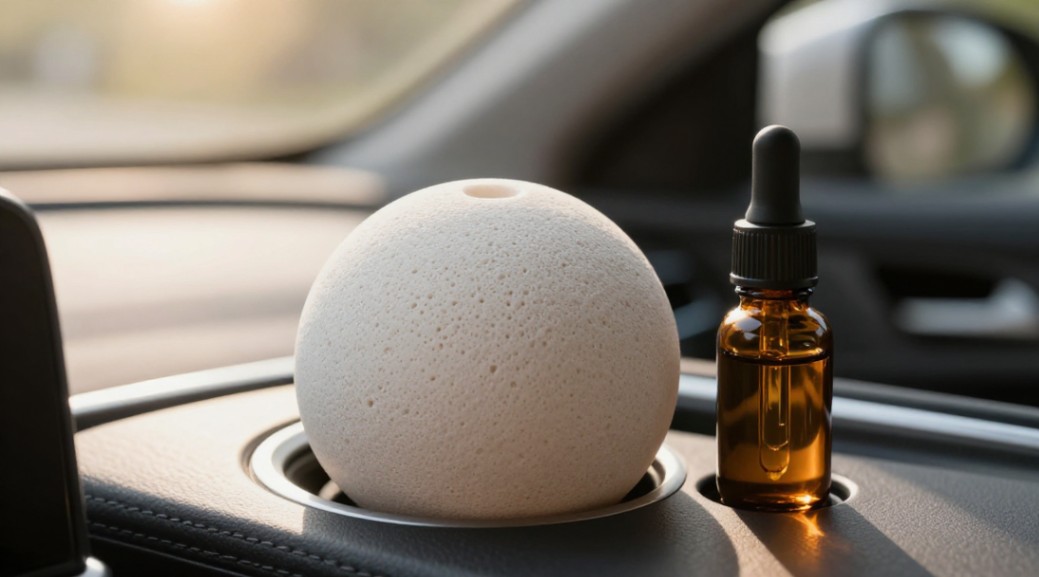
If you want to skip the trial and error, I have a specific recommendation: ka Moʻo ʻiliahi mai Pono Qil Aromatherapy. I have tested their wax melts. Hoʻohana lākou 100% He wax au, no phthalates, and pure essential oils. The Car Aromatherapy version is also excellent for your commute. But do not take my word for it. Buy a pack. Melt it. Judge for yourself. That is the only way to know if this works for you.
Mea hoolako
Hoʻokumu ʻo ScentSerenade i ka hoʻohui pono ʻana i ke ʻano o ka moʻomeheu hikina me ka hana hoʻomohala hou e hana i nā huahana ʻala like ʻole.. Ke manaʻoʻiʻo nei mākou he moʻolelo a me kona manaʻo ponoʻī kēlā me kēia ʻala, no laila ke koho pono nei mākou i nā mea kūlohelohe maikaʻi loa o ka honua, hui pu me ka hana nani, a e hoʻoikaika e haʻi i kahi moʻolelo hoʻoneʻe i loko o kēlā me kēia ʻōmole ʻala.