


Aṣa Ila-oorun ati Iṣẹda Imudaniloju Irin-ajo Oorun | ScentSerenade

O ra itanna turari fun resini ati etu. Bayi o ni ibanujẹ.
Nje o lailai scraped a dudu, smoking crust off your new adiro while thinking, “This was supposed to be easier than charcoal”? Iwọ ko dawa. Most users destroy expensive frankincense or ruin their heating element within the first month. They blame the electric incense burner for resin and powder. Ooto? They misuse the tool. This article exposes the hard truths. You will learn exactly what not to do. Ko si fluff. No “experts” quoting science they don’t practice. O kan 20+ years of burning stuff until it worked.
1. Your Temperature Setting is a Lie
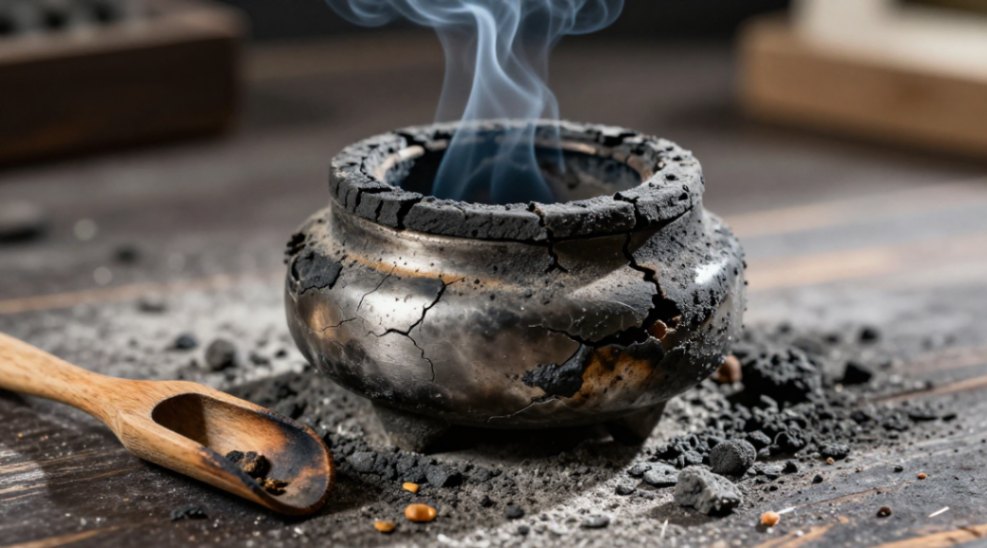
You bought a burner with “variable temperature.” You set it to 400°F and hoped for smoke. Gbigbe ti ko tọ. Resin and powder incense do not need to burn. They need to melt and release aroma. Burning creates smoke, soot, and a bitter smell. It also ruins the ceramic heating element. The typical breakdown: frankincense and myrrh melt between 180°F and 200°F (82°C – 93°C). Copal and benzoin require slightly higher, around 220°F (104°C). Powder blends fẹran sandaliwood or lavender burn best at 160°F – 190°F (71°C – 88°C). If your burner lacks precise control, you are guessing. And guessing costs you money.
Kini lati ṣe dipo:
Start at 160°F (71°C). Wait five minutes. No scent? Increase by 10°F increments. A small digital thermometer with a probe (labẹ $10) verifies your adiro’s actual temperature. Most cheap burners lie by 20°F – 30°F. Verify before you blame the resin.
2. Load Directly on the Element? Expect a Mess
Manufacturers show you pictures of resin beads sitting directly on a glowing ceramic dish. They want you to believe it’s elegant. Kii ṣe bẹ. Resin melts, bubbles, and sticks. Once it carbonizes, that stain is permanent. The surface becomes uneven, and the heat transfer fails. Powder sinters into a concrete-fẹran crust. Cleaning becomes impossible without scratching the element.
The only solution: Use a foil cup.
Take a standard aluminum foil cup (the kind used for tea light oil burners). Place it inside the burner dish. Put your resin or powder inside the cup. This catches all drips. When done, lift the cup and toss it. Your heating surface stays bone clean. Cleanliness equals consistent scent. It also means you can switch from frankincense to sandaliwood without cross-contamination of smell.
3. You Never Clean the Burner. Now it Smells Like Burnt Garbage.
Residue builds up silently. After five uses, your burner smells like the back alley of a cheap incense shop. The old residue burns at a different temperature than your new resin. The two aromas fight each other. The result is a muddy scent that smells like nothing specific. You think the resin is weak. Kii ṣe. It’s the residue.
Cleaning protocol (exact steps):
Turn off the burner. Let it cool to room temperature (nipa 20 iseju). Wipe the dish and the foil cup area with a cotton pad dipped in 91% isopropyl oti. For stubborn crusts, soak the cotton pad and let it sit on the crust for two minutes. Then scrape gently with a wooden toothpick. Do not use metal. Metal scratches the ceramic. Scratches trap resin. You will never get clean again. Do this after every third use. Imu rẹ yoo dupẹ lọwọ rẹ.
4. You Ignore Safety. That’s Stupid.
An electric incense burner for resin and powder runs unattended for hours. Some cheap units lack an automatic shut-off. The base gets hot enough to melt plastic surfaces. You place it on a wooden table? You’re playing with fire. Literally.
Non-negotiable safety rules:
- Automatic shut-off: Do not buy any burner without this feature. 4-hour or 8-hour timer is standard. Set it. Walk away. Orun.
- Cool-touch exterior: Fọwọkan ipilẹ lẹhin 30 minutes of operation. If it burns your hand, return the unit. This is not optional. Children and pets bump into tables.
- Afẹfẹ: Even without smoke, the aromatics can trigger headaches in closed rooms. Open a window. A Levoit LV-H128 air purifier running on low helps, but cross-ventilation is better.
5. You Treat Powder Like Resin. Big Mistake.
Powder incense has a higher surface area. It responds faster to heat. If you load a mound of powder directly, the top layer burns before the bottom layer melts. You get a flash of smoke followed by nothing. Fun powder types like sandalwood, lafenda, or mixed herbal blends, use a thin layer. Spread it evenly across the foil cup. Maximum depth: 2 mm. Anything thicker wastes material.
Exact guideline:
Weigh 0.3 grams of powder. That is roughly 1/8 teaspoon. Spread it flat. Set temperature to 170°F (77°C). The scent will last 45 minutes to 1 wakati. Nigbati o ba rọ, discard and reload. Trying to “stretch” the powder by raising the temperature ruins the scent profile. Low and thin wins the game.
6. You Chose the Wrong Bowl Material. Pay Now or Pay Later.
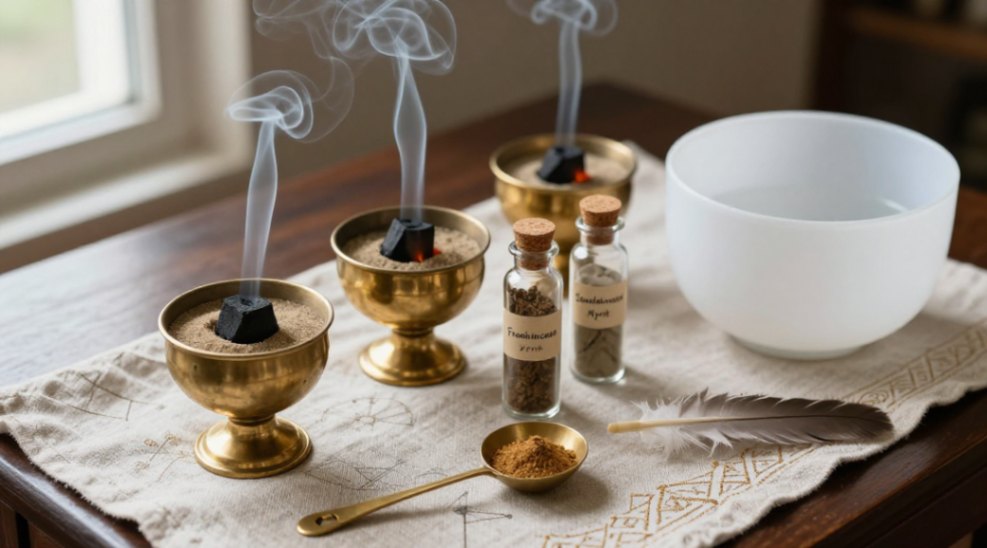
Burners come with bowls made of ceramic, gilasi, or mica. Ceramic or glass heating elements are the only acceptable choices for resin and powder. Mica sheets degrade over time. They flake. Those flakes mix with your resin. You inhale microscopic mica dust. Not good. Bakannaa, mica heats unevenly. One corner burns, the other stays cold.
The rule:
If the heating bowl is not ceramic or borosilicate glass, walk away. The URIKO Premium Electric Incense Burner uses a ceramic bowl with a sealed element. That is the standard you want. Anything less is a compromise on health and performance.
7. You Compare Burners to Charcoal. Stop That.
Charcoal works by direct combustion. It burns at 1200°F+ (650°C). It creates smoke, ash, ati erogba monoxide. An electric incense burner for resin and powder works by gentle vaporization. Ko si ẹfin. No ash. No air pollution. The aroma is cleaner and more precise. But it requires patience. You wait for the scent to develop over minutes, not seconds. If you want instant thick smoke, go back to charcoal. If you want nuanced aromatherapy, master the electric burner.
Comparison table: electric vs. charcoal
| Ẹya ara ẹrọ | Electric Incense Burner | Charcoal Burner |
|---|---|---|
| Iwọn otutu | 160°F – 220°F (controlled) | 1200°F+ (uncontrolled) |
| Ẹfin | Minimal or none | Heavy |
| Ash | Ko si | Bẹẹni |
| Resin waste | Kekere (vaporization) | Ga (ijona) |
| Indoor air quality | Safe for daily use | Requires ventilation |
| Scent precision | Ga (layered notes) | Kekere (smoky mask) |
| Itoju | Wipe every 3 nlo | Clean ash after each use |
When does an electric burner shine? Three scenarios.
Oju iṣẹlẹ 1: Daily aromatherapy. You want consistent scent for 8 hours while working. Use a burner with a timer and a large dish (o kere ju 3 inches diameter). Load 0.5 grams of frankincense. Set at 190°F. The scent will maintain intensity for 6 wakati. Recharge midday.
Oju iṣẹlẹ 2: Resin testing. You buy rare copal or benzoin. You want to smell the pure material, not smoke. Use the lowest temperature that produces scent (around 170°F). No foil cup for the first test? Fine, but clean immediately after.
Oju iṣẹlẹ 3: Small apartments. No balcony for charcoal. You need incense without triggering smoke alarms. The electric burner is your only safe option. Place it away from air vents to avoid scent dilution.
Your next move is simple.
Duro lafaimo. Get a reliable electric incense burner for resin and powder with ceramic heating, automatic shut-off, and foil cups. Set your temperature precisely. Clean after every third use. Your resin will last twice as long, and your room will smell exactly like the plant it came from.
If you want a burner that checks all these boxes without breaking the bank, the Uriko Electric Incense Burner is a solid choice. It has the ceramic bowl, adjustable temperature from 120°F to 400°F, and a 4-hour timer. It is not the cheapest, but it is the only one I trust after burning through seven other units. Buy it, use it correctly, and stop wasting resin.
Olupese
ScentSerenade ṣe ifaramọ lati ṣepọ ni pipe ni pataki ti aṣa ila-oorun pẹlu iṣẹda ode oni lati ṣẹda aṣa alailẹgbẹ ati awọn ọja lofinda ẹda.. A gbagbo wipe gbogbo lofinda ni o ni awọn oniwe-ara oto itan ati imolara, nitorinaa a farabalẹ yan awọn eroja adayeba ti o dara julọ ni agbaye, ni idapo pelu olorinrin ọnà, ki o si gbiyanju lati sọ itan gbigbe ni gbogbo igo oorun.