


Aṣa Ila-oorun ati Iṣẹda Imudaniloju Irin-ajo Oorun | ScentSerenade

The Day My Plug-In Diffuser Gave Up
I remember the exact moment I switched. It was a Tuesday. My ultrasonic diffuser, which I had babied for six months, started making a gurgling sound, then just stopped. No mist. Just a sad, wet spot on my nightstand. I was tired of cleaning the little disc with a Q-tip, tired of buying distilled water, and frankly, tired of the constant hum.
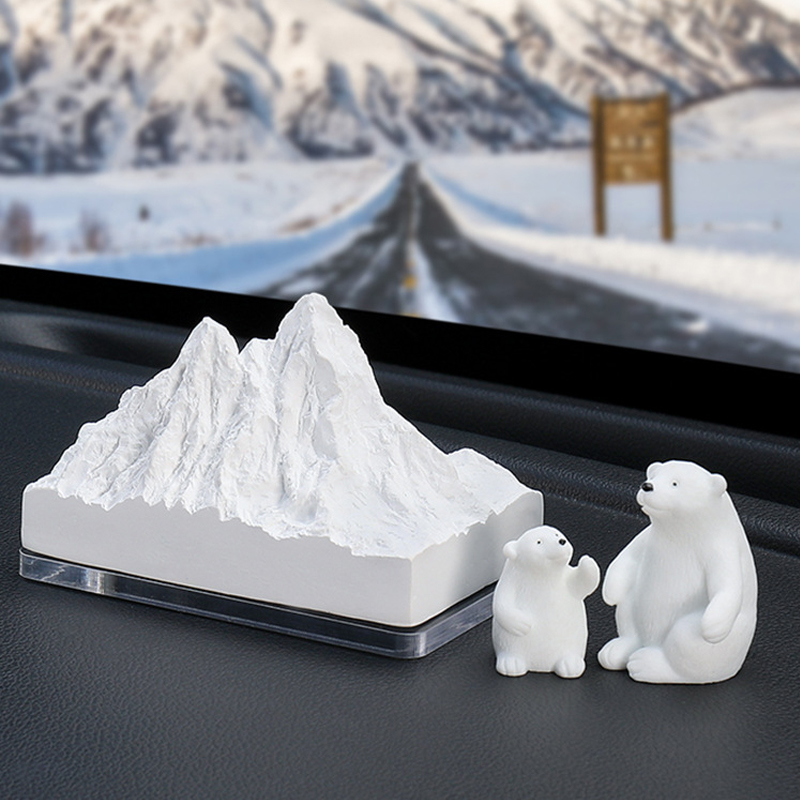
I grabbed a small, unassuming stone a friend had given me. A natural clay diffuser stone for oil dispensing. Ko si awọn okun. Ko si omi. Ko si awọn batiri. I dropped three drops of lafenda on top, set it by my pillow, and waited. Laarin iṣẹju, the room smelled calm. Ko si ariwo. Ko si idotin. O kan mimọ, simple scent. That was three years ago. I haven’t used a plug-in diffuser since.
1. What Exactly Is a Natural Clay Diffuser Stone for Oil Dispensing?
Let’s get the definition straight, because the term gets thrown around loosely. A adayeba clay diffuser stone for oil dispensing is a piece of unglazed, fired clay-usually terracotta or a similar porous ceramic. Think of it as a sponge made of rock.
How it works is pure physics, not magic.
- Capillary Action: The stone’s microscopic pores act like tiny straws. When you drop essential oil onto the surface, the liquid is drawn into these pores by capillary action.
- Passive Evaporation: Once the oil is inside the stone, it is exposed to air on the huge internal surface area of the pores. The oil then evaporates naturally at room temperature. No heat is required (and in fact, heat can ruin the oil’s therapeutic properties).
- Cold-Air Diffusion: This is the technical term. You get the aromatic molecules into the air without cooking them, without water, and without electricity.
That is it. No pumps. No fans. A natural clay diffuser stone for oil dispensing is simply a delivery vehicle for the oil’s volatile compounds.
2. Awọn 5 Big Benefits of Using a Clay Stone (Why We Love Them)
We keep coming back to these stones because they solve real problems that other diffusers create. Here is the breakdown.
- Zero Electricity: Place it anywhere-a windowless bathroom, a bookshelf, your car dashboard, a camping tent. No outlet needed.
- Zero Noise: Ultrasonic diffusers vibrate. Fans hum. Water bubbles. A clay stone is silent. Perfect for a meditation space or a baby’s nursery.
- Zero Water: No distilled water to buy. No mold to scrub from a water tank. The stone stays dry to the touch once the oil absorbs.
- Zero Heat: Essential oils are sensitive. Heat can break down their chemical structure, reducing therapeutic benefit. A clay stone diffuses at ambient temperature, preserving the oil’s integrity.
- Zero Waste: These stones last for years. Nigbati awọn lofinda ipare, you just add more oil. They are reusable, biodegradable at end of life (it is just clay), and made from natural materials. Compared to plastic plug-in diffusers that break in 12 osu, it is a clear win.
3. How to Use a Clay Diffuser Stone: A Step-by-Step Guide
Using a natural clay diffuser stone for oil dispensing is simple, but there is a right way and a wrong way. Follow these exact steps.
- Igbesẹ 1: Start with a Dry Stone. Make sure the stone is completely dry. If you just cleaned it (see Section 6), let it air dry for 24 wakati. A wet stone won’t absorb oil well.
- Igbesẹ 2: Fi kun 3 si 5 Drops of Essential Oil. Do not soak it. The stone can only hold a limited amount of oil in its pores. Over-saturating just wastes oil and can leave a sticky residue on the surface. For a standard 2-inch stone, 3 drops is perfect for a small room (like a bathroom). For a larger living room (200-300 sq ft), lo 5 silẹ.
- Igbesẹ 3: Duro 30 Seconds. Let the oil fully absorb into the porous surface. You will see the wet spot disappear into the stone.
- Igbesẹ 4: Flip the Stone (Optional). If you want a stronger initial burst, flip the stone over after the oil absorbs. The bottom, which was sitting on a surface, is now exposed to open air, maximizing the evaporation surface area.
- Igbesẹ 5: Place It and Walk Away. Set the stone in your chosen location. That is it. Ko si awọn bọtini. No timers.
Quick Reference Table: Dosage by Room Size
| Room Size (Approx sq ft) | Stone Diameter | Recommended Drops | Refill Frequency |
|---|---|---|---|
| Small (baluwe, ọkọ ayọkẹlẹ, kọlọfin) – Titi di 100 sq ft | 1.5 – 2 inches | 2 – 3 silẹ | Gbogbo 1 – 2 awọn ọjọ |
| Alabọde (yara yara, ọfiisi) – 100 si 250 sq ft | 2 – 3 inches | 3 – 5 silẹ | Gbogbo 1 – 2 awọn ọjọ |
| Tobi (yara nla ibugbe, open plan) – 250+ sq ft | 3 – 4 inches or multiple stones | 5 – 8 silẹ | Daily |
4. Best Essential Oils for Your Clay Stone
Ko gbogbo epo perform the same on a clay stone. Because the diffusion is passive and low-temperature, lighter, more volatile oils (small molecule size) work best. Here are our top picks.
- Awọn epo Citrus (Lẹmọnu, ọsan, Eso girepufurutu, Bergamot): These are top notes. They evaporate quickly, giving a bright, immediate burst of scent. Perfect for an energizing morning boost. Expect the scent to last 12-24 wakati.
- Lafenda: A middle note. Lavender has a balanced volatility. It is the most popular choice for clay stones because it is gentle, tunu, and the scent lingers for about 24 wakati.
- Peppermint: Another top note. It is sharp and penetrating. Great for focus or headaches. The scent throws strongly but fades faster, usually within 12 wakati.
- Igi Tii: A middle note with a medicinal, lofinda mimọ. Ideal for bathrooms or entryways. It is also naturally antimicrobial, which is a bonus for the stone itself.
- Blends to Avoid: Avoid very thick, resinous oils like Myrrh, Patchouli (the heavy kind), or Vetiver. These have large molecules that can clog the pores of the stone over time, making it less effective.
5. How to Clean and Refresh Your Clay Diffuser Stone
A dirty clay stone is a disappointing stone. Oil residue builds up, oxidizes, and can turn rancid. The scent becomes muddy or faint. Do not throw it away. Clean it.
The Oven Baking Method (Best for thorough cleaning):
- Preheat your oven to 200°F (93°C). Do not go higher. High heat can crack the clay.
- Place the stone on a baking sheet lined with parchment paper.
- Bake for 30 iseju. The heat will burn off the old oil residue, essentially resetting the stone to its original porous state.
- Turn off the oven and let the stone cool down completely inside the oven. Rapid temperature changes can crack it.
- Once cool, the stone is ready to use again.
The Sunlight Method (Gentle and effective):
- Rinse the stone briefly under warm tap water to remove surface dust.
- Place the stone in direct sunlight on a windowsill for 4 si 6 wakati. The UV rays and heat will break down the oil.
- Flip it halfway through. Bring it inside once it is dry and odorless.
How often to clean: For regular use (daily drops), clean the stone every 2 si 3 ọsẹ. If you switch epo frequently, clean it more often (gbogbo 1 si 2 ọsẹ) to prevent scent mixing.
6. Clay Stone vs. Other Diffusers: The Honest Comparison
We get asked this constantly. Should I buy a clay stone or an ultrasonic diffuser? Here is the logical breakdown.
- vs. Ultrasonic Diffuser: Ultrasonic uses water and vibration. It creates a visible mist and can scent a larger area quickly. But it requires electricity, ninu (mold risk), and it adds humidity to the air (not good in humid climates). The clay stone wins for simplicity, silence, and eco-friendliness. The ultrasonic wins for instant, room-filling scent throw.
- vs. Reed Diffuser: Reeds use a carrier oil and a narrow neck bottle. They are passive, like clay. But reed diffusers are slower to start, the scent can be weaker, and the liquid can be messy if tipped. A clay stone is more controllable-you choose when and how much oil to add.
- vs. Heat Diffuser (Candle/Plug-in): Heat diffusers (like a candle warmer for a bowl of oil) are bad for your oil. They denature the chemical compounds, reducing therapeutic benefits. They are also a fire hazard. A clay stone is safer and preserves the oil’s quality.
7. Where to Place Your Clay Stone for Maximum Scent
Placement is everything. A stone hidden in a corner under a desk will not perform. Follow these rules for the best throw.
- Elevate It: Place the stone on a shelf, a counter, or a shelf at chest height or higher. Scent molecules naturally rise as they evaporate. Higher placement gives better air circulation.
- Near Airflow (But Not Direct Draft): Place the stone near a gentle airflow source-like an open window, an air vent, or a ceiling fan on low. Air movement picks up the evaporated molecules and carries them around the room. Do not put it in a direct, strong draft (like right in front of an AC vent) because the scent will be dispersed too quickly and fade fast.
- The ‘Cross-Breeze’ Sweet Spot: In a room, find a spot where two air currents meet (f.eks., near a doorway and a window). This creates a gentle circulation pattern that distributes the scent evenly.
- Avoid Sunlight for the Stone Itself: While sunlight is good for cleaning, placing a stone in direct, hot sunlight all day will cause the essential oil to evaporate too quickly. You will lose the scent in a few hours instead of a day.
8. Safety Considerations (We Have to Talk About This)
Clay is safe. It is inert, ti kii-majele ti, and fireproof. But common sense applies.
- Pet Safety: The stone itself is not dangerous to pets (it is just fired dirt). The risk is the essential oil. Certain oils (igi tii, ata ilẹ, Eucalyptus, eso igi gbigbẹ oloorun) are toxic to cats and dogs, especially if they lick the stone. Place the stone out of reach of pets, on a high shelf or mantel.
- Awọn ibaraẹnisọrọ Epo Dilution: On a clay stone, you do not dilute the oil. You apply it neat (ti ko ni diluted). The low volume (3-5 silẹ) makes this safe for aromatherapy. Sibẹsibẹ, if you accidentally spill more than 10 silẹ, blot the excess with a paper towel to avoid overwhelming the room.
- Porosity Warning: The stone will absorb anything. Do not put a clay stone directly on a finished wood table without a coaster or small dish underneath. The oil can seep through the bottom and stain the wood.
9. Accessory Pairings: Taking It Further
A natural clay diffuser stone for oil dispensing is a solo act that plays well with others.
- Clay Necklace Diffuser: We love a small pendant-sized clay stone on a cord. Fi kun 1 drop of a calming oil like lavender or frankincense. Wear it to diffuse scent right under your nose all day. It is personal aromatherapy that does not bother anyone else.
- Car Diffuser Clip: Get a small clay stone that clips onto your car’s air vent. Fi kun 2 drops of peppermint or lemon. The car’s fan blows air over the stone, actively diffusing the scent. It is a pupọ safer alternative to plug-in car diffusers that heat up.
- Desk Stone: Keep a medium-sized stone on your office desk. Fi kun 3 drops of rosemary for focus. It is small, professional-looking, ati ipalọlọ.
10. Common Mistakes (Learn from Our Errors)
We have made every mistake in the book so you do not have to.
- Mistake #1: Over-Saturating. Pouring 20 drops onto a 2-inch stone. This does not make the scent stronger or last longer. It just creates a messy, oily stone that takes forever to dry and can attract dust.
- Mistake #2: Using Thick, Resinous Oils. We said it before, but it bears repeating. Do not use Patchouli, Myrrh, or Sandalwood regularly. They clog the pores. Stick to thinner oils.
- Mistake #3: Placing It on a Hot Surface. Do not set the stone on a radiator, a windowsill in direct sun, or near a stove. The heat will burn off the oil instantly, and you will get no lasting scent.
- Mistake #4: Never Cleaning It. We know someone who used the same stone for six months without cleaning it. The scent went from pleasant to ‘musty basement’. Bake it every few weeks. O ngba 30 iseju.
- Mistake #5: Expecting a Room-Filling Scent in 30 Seconds. A clay stone is passive. O ngba 5-10 minutes to start throwing scent, and the throw is gentle, ko lagbara. If you want an immediate, strong blast, this is the wrong tool. Use an ultrasonic diffuser for that.
Ready for a Quieter, Cleaner Aromatherapy Habit?
We have been using natural clay diffuser stones for years. They have replaced every other diffuser in our homes. Ko si ariwo. Ko si awọn okun. No plastic waste. Just the pure, natural scent of essential oils doing what they do best.
Our team has hand-selected the finest, most porous terracotta stones on the market. They are kiln-fired, unglazed, and ready to absorb your favourite oils. Each stone comes with our personal care guide.
Do not settle for a noisy, high-maintenance diffuser that will break in a year. Make the switch today. Click the link below to get your natural clay diffuser stone for oil dispensing. Imu rẹ (and your eardrums) yoo dupẹ lọwọ rẹ.
Shop Natural Clay Diffuser Stones Now
Olupese
ScentSerenade ṣe ifaramọ lati ṣepọ ni pipe ni pataki ti aṣa ila-oorun pẹlu iṣẹda ode oni lati ṣẹda aṣa alailẹgbẹ ati awọn ọja lofinda ẹda.. A gbagbo wipe gbogbo lofinda ni o ni awọn oniwe-ara oto itan ati imolara, nitorinaa a farabalẹ yan awọn eroja adayeba ti o dara julọ ni agbaye, ni idapo pelu olorinrin ọnà, ki o si gbiyanju lati sọ itan gbigbe ni gbogbo igo oorun.