


Idamaise kultuuri ja loovuse inspireeritud lõhnareis | Lõhna serenaad

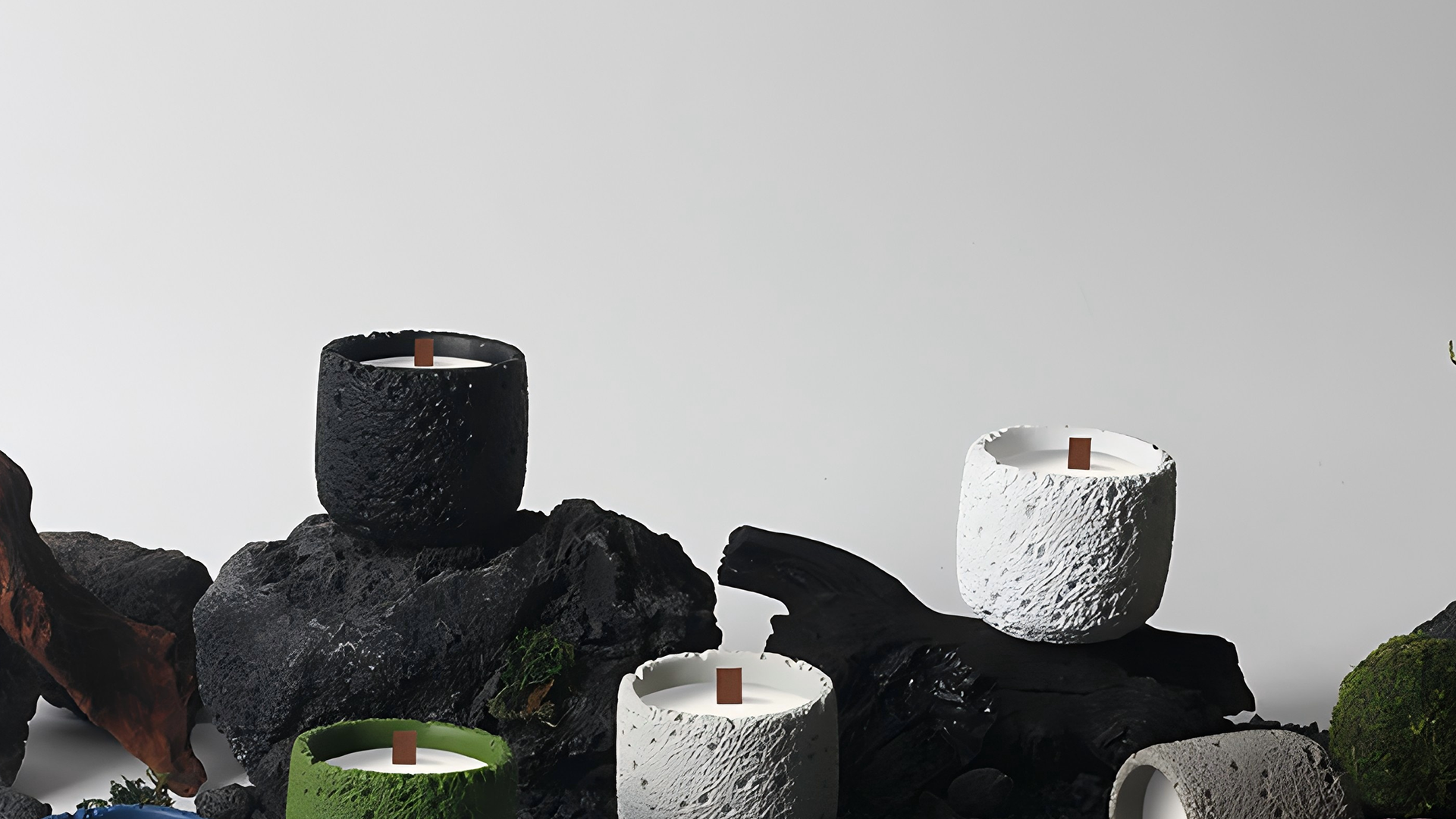
Päev, mil mu pistikhajuti loobus
Mäletan täpselt hetke, mil vahetasin. See oli teisipäev. Minu ultraheli difuusor, mida olin sünnitanud kuus kuud, hakkas kolisevat häält tegema, siis lihtsalt peatus. Ei mingit udu. Lihtsalt kurb, märg koht mu öökapil. Olin väsinud väikese ketta puhastamisest Q-otsaga, väsinud destilleeritud vee ostmisest, ja ausalt öeldes, väsinud pidevast suminast.
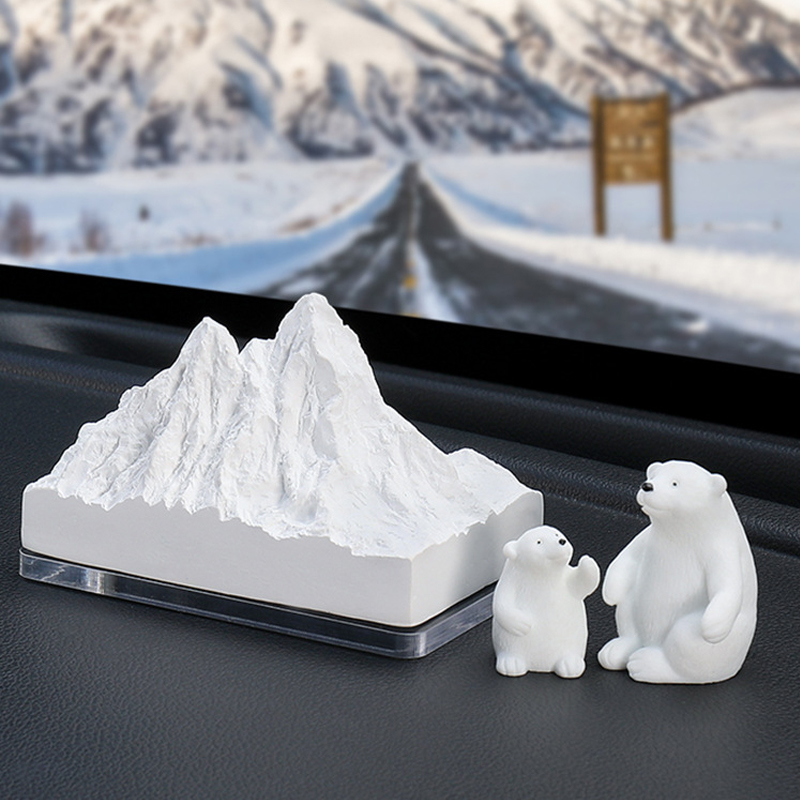
Haarasin väikese, tagasihoidlik kivi, mille sõber oli mulle kinkinud. Naturaalsest savist hajutikivi õli väljastamiseks. Juhtmeid pole. Ei mingit vett. Akusid pole. Tilgutasin kolm tilka lavendel peal, asetage see mu padja juurde, ja ootas. Mõne minuti jooksul, tuba lõhnas rahulikult. Ei mingit müra. Ei mingit segadust. Lihtsalt puhas, lihtne lõhn. See oli kolm aastat tagasi. Pärast seda pole ma pistikhajutit kasutanud.
1. Mis täpselt on naturaalsest savist hajutikivi õli väljastamiseks?
Teeme määratluse selgeks, sest seda terminit loobitakse lõdvalt. A loomulik savi hajuti kivi õli väljastamiseks on glasuurimata tükk, põletatud savi – tavaliselt terrakota või muu sarnane poorne keraamika. Mõelge sellele kui kivist valmistatud käsnale.
See, kuidas see töötab, on puhas füüsika, mitte maagia.
- Kapillaaride toime: Kivi mikroskoopilised poorid toimivad nagu pisikesed kõrred. Kui tilgutate eeterlikku õli pinnale, vedelik tõmmatakse nendesse pooridesse kapillaaride toimel.
- Passiivne aurustamine: Kui õli on kivi sees, see puutub kokku õhuga pooride tohutul sisepinnal. Seejärel aurustub õli toatemperatuuril loomulikult. Soojust pole vaja (ja tegelikult, kuumus võib rikkuda õli raviomadusi).
- Külma õhu difusioon: See on tehniline termin. Saate aromaatsed molekulid õhku ilma neid keetmata, ilma veeta, ja ilma elektrita.
See on kõik. Pole pumpasid. Mitte fännid. Naturaalsest savist hajuti kivi õli väljastamiseks on lihtsalt õli lenduvate ühendite kohaletoimetamise vahend.
2. The 5 Savikivi kasutamise suured eelised (Miks me neid armastame)
Me tuleme nende kivide juurde tagasi, sest need lahendavad tõelisi probleeme, mida teised hajutajad tekitavad. Siin on jaotus.
- Null elektrit: Asetage see kõikjale - akendeta vannituppa, raamaturiiul, teie auto armatuurlaud, matkatelk. Väljalaskeava pole vajalik.
- Null müra: Ultraheli difuusorid vibreerivad. Fännid ümisevad. Veemullid. Savikivi vaikib. Ideaalne meditatsiooniruumi või lapse lastetuppa.
- Null vett: Destilleeritud vett ei osta. Veepaagist pole hallitust nühkida. Kui õli imendub, jääb kivi katsudes kuivaks.
- Nullkuumus: Eeterlikud õlid on tundlikud. Kuumus võib nende keemilise struktuuri rikkuda, terapeutilise kasu vähendamine. Savikivi hajub ümbritseva õhu temperatuuril, õli terviklikkuse säilitamine.
- Zero Waste: Need kivid kestavad aastaid. Kui lõhn kaob, lisad lihtsalt rohkem õli. Need on korduvkasutatavad, eluea lõpus biolagunev (see on lihtsalt savi), ja valmistatud looduslikest materjalidest. Võrreldes sissemurdvate plastikust pistikhajutitega 12 kuud, see on selge võit.
3. Kuidas kasutada savist hajutikivi: Üksikasjalik juhend
Naturaalsest savist hajutikivi kasutamine õli väljastamiseks on lihtne, aga on õige ja vale tee. Järgige neid täpseid samme.
- Samm 1: Alustage kuiva kiviga. Veenduge, et kivi oleks täielikult kuiv. Kui sa just puhastasid (vaata jaotist 6), laske sellel õhu käes kuivada 24 tundi. Märg kivi ei ima õli hästi.
- Samm 2: Lisa 3 juurde 5 Eeterliku õli tilgad. Ärge leotage seda. Kivi pooridesse mahutab vaid piiratud koguse õli. Üleküllastamine raiskab lihtsalt õli ja võib pinnale jätta kleepuva jäägi. Tavalise 2-tollise kivi jaoks, 3 tilgad sobivad ideaalselt väikesesse ruumi (nagu vannituba). Suurema elutoa jaoks (200-300 ruutjalga), kasutada 5 tilgad.
- Samm 3: Oota 30 Sekundid. Laske õlil täielikult poorsesse pinda imenduda. Näete, et märg koht kivisse kaob.
- Samm 4: Keera kivi ümber (Valikuline). Kui soovite tugevamat esialgset pursku, pärast õli imendumist pööra kivi ümber. Põhja, mis istus pinnal, on nüüd avatud vabas õhus, aurustumispinna maksimeerimine.
- Samm 5: Asetage see ja kõndige minema. Seadke kivi valitud kohta. See on kõik. Nuppe pole. Taimereid pole.
Kiirviitetabel: Annustamine ruumi suuruse järgi
| Ruumi suurus (Umbes ruutjalga) | Kivi läbimõõt | Soovitatavad tilgad | Täitmise sagedus |
|---|---|---|---|
| Väike (vannituba, auto, kapp) – Kuni 100 ruutjalga | 1.5 – 2 tolli | 2 – 3 tilgad | iga 1 – 2 päevadel |
| Keskmine (magamistuba, kontoris) – 100 juurde 250 ruutjalga | 2 – 3 tolli | 3 – 5 tilgad | iga 1 – 2 päevadel |
| Suur (elutuba, avatud plaan) – 250+ ruutjalga | 3 – 4 tolli või mitu kivi | 5 – 8 tilgad | Igapäevane |
4. Parimad eeterlikud õlid teie savikivi jaoks
Mitte kõik õlid sama teha savikivil. Because the diffusion is passive and low-temperature, lighter, more volatile oils (small molecule size) work best. Here are our top picks.
- Tsitrusviljade õlid (Sidrun, Oranž, Greip, Bergamott): These are top notes. Nad aurustuvad kiiresti, giving a bright, immediate burst of scent. Perfect for an energizing morning boost. Expect the scent to last 12-24 tundi.
- Lavendel: A middle note. Lavender has a balanced volatility. It is the most popular choice for clay stones because it is gentle, rahustav, and the scent lingers for about 24 tundi.
- Piparmünt: Another top note. It is sharp and penetrating. Great for focus or headaches. The scent throws strongly but fades faster, usually within 12 tundi.
- Teepuu: A middle note with a medicinal, puhas lõhn. Ideal for bathrooms or entryways. It is also naturally antimicrobial, which is a bonus for the stone itself.
- Blends to Avoid: Avoid very thick, resinous oils like Myrrh, Patšuli (the heavy kind), or Vetiver. These have large molecules that can clog the pores of the stone over time, making it less effective.
5. How to Clean and Refresh Your Clay Diffuser Stone
A dirty clay stone is a disappointing stone. Oil residue builds up, oxidizes, and can turn rancid. The scent becomes muddy or faint. Do not throw it away. Clean it.
The Oven Baking Method (Best for thorough cleaning):
- Preheat your oven to 200°F (93°C). Do not go higher. High heat can crack the clay.
- Place the stone on a baking sheet lined with parchment paper.
- Bake for 30 minutit. The heat will burn off the old oil residue, essentially resetting the stone to its original porous state.
- Turn off the oven and let the stone cool down completely inside the oven. Rapid temperature changes can crack it.
- Once cool, the stone is ready to use again.
The Sunlight Method (Gentle and effective):
- Rinse the stone briefly under warm tap water to remove surface dust.
- Place the stone in direct sunlight on a windowsill for 4 juurde 6 tundi. The UV rays and heat will break down the oil.
- Flip it halfway through. Bring it inside once it is dry and odorless.
How often to clean: For regular use (daily drops), clean the stone every 2 juurde 3 nädalaid. If you switch õlid frequently, clean it more often (iga 1 juurde 2 nädalaid) to prevent scent mixing.
6. Clay Stone vs. Other Diffusers: The Honest Comparison
We get asked this constantly. Should I buy a clay stone or an ultrasonic diffuser? Here is the logical breakdown.
- vs. Ultraheli difuusor: Ultrasonic uses water and vibration. It creates a visible mist and can scent a larger area quickly. But it requires electricity, puhastamine (mold risk), and it adds humidity to the air (not good in humid climates). The clay stone wins for simplicity, silence, and eco-friendliness. The ultrasonic wins for instant, room-filling scent throw.
- vs. Reed Diffuser: Reeds use a carrier oil and a narrow neck bottle. They are passive, like clay. But reed diffusers are slower to start, the scent can be weaker, and the liquid can be messy if tipped. A clay stone is more controllable-you choose when and how much oil to add.
- vs. Heat Diffuser (Candle/Plug-in): Heat diffusers (like a candle warmer for a bowl of oil) are bad for your oil. They denature the chemical compounds, reducing therapeutic benefits. They are also a fire hazard. A clay stone is safer and preserves the oil’s quality.
7. Where to Place Your Clay Stone for Maximum Scent
Placement is everything. A stone hidden in a corner under a desk will not perform. Follow these rules for the best throw.
- Elevate It: Place the stone on a shelf, a counter, or a shelf at chest height or higher. Scent molecules naturally rise as they evaporate. Higher placement gives better air circulation.
- Near Airflow (But Not Direct Draft): Place the stone near a gentle airflow source-like an open window, an air vent, or a ceiling fan on low. Air movement picks up the evaporated molecules and carries them around the room. Do not put it in a direct, strong draft (like right in front of an AC vent) because the scent will be dispersed too quickly and fade fast.
- The ‘Cross-Breeze’ Sweet Spot: Toas, find a spot where two air currents meet (nt., near a doorway and a window). This creates a gentle circulation pattern that distributes the scent evenly.
- Avoid Sunlight for the Stone Itself: While sunlight is good for cleaning, placing a stone in direct, hot sunlight all day will cause the essential oil to evaporate too quickly. You will lose the scent in a few hours instead of a day.
8. Ohutuskaalutlused (We Have to Talk About This)
Clay is safe. It is inert, non-toxic, and fireproof. But common sense applies.
- Pet Safety: The stone itself is not dangerous to pets (it is just fired dirt). The risk is the essential oil. Teatud õlid (teepuu, piparmünt, eukalüpt, kaneeli) are toxic to cats and dogs, especially if they lick the stone. Place the stone out of reach of pets, on a high shelf or mantel.
- Eeterlike õlide lahjendamine: On a clay stone, you do not dilute the oil. You apply it neat (lahjendamata). The low volume (3-5 tilgad) makes this safe for aromatherapy. Siiski, if you accidentally spill more than 10 tilgad, blot the excess with a paper towel to avoid overwhelming the room.
- Porosity Warning: The stone will absorb anything. Do not put a clay stone directly on a finished wood table without a coaster or small dish underneath. The oil can seep through the bottom and stain the wood.
9. Accessory Pairings: Taking It Further
A natural clay diffuser stone for oil dispensing is a solo act that plays well with others.
- Clay Necklace Diffuser: We love a small pendant-sized clay stone on a cord. Lisa 1 drop of a calming oil like lavender or frankincense. Wear it to diffuse scent right under your nose all day. It is personal aromatherapy that does not bother anyone else.
- Car Diffuser Clip: Get a small clay stone that clips onto your car’s air vent. Lisa 2 drops of peppermint or lemon. The car’s fan blows air over the stone, actively diffusing the scent. It is a palju safer alternative to plug-in car diffusers that heat up.
- Desk Stone: Keep a medium-sized stone on your office desk. Lisa 3 drops of rosemary for focus. See on väike, professional-looking, ja vait.
10. Common Mistakes (Learn from Our Errors)
We have made every mistake in the book so you do not have to.
- Viga #1: Over-Saturating. Pouring 20 drops onto a 2-inch stone. This does not make the scent stronger or last longer. It just creates a messy, oily stone that takes forever to dry and can attract dust.
- Viga #2: Using Thick, Resinous Oils. We said it before, but it bears repeating. Do not use Patchouli, Mürr, or Sandalwood regularly. They clog the pores. Stick to thinner oils.
- Viga #3: Placing It on a Hot Surface. Do not set the stone on a radiator, a windowsill in direct sun, or near a stove. The heat will burn off the oil instantly, and you will get no lasting scent.
- Viga #4: Never Cleaning It. We know someone who used the same stone for six months without cleaning it. The scent went from pleasant to ‘musty basement’. Bake it every few weeks. See võtab 30 minutit.
- Viga #5: Expecting a Room-Filling Scent in 30 Sekundid. A clay stone is passive. See võtab 5-10 minutes to start throwing scent, and the throw is gentle, mitte ülekaalukas. If you want an immediate, strong blast, this is the wrong tool. Use an ultrasonic diffuser for that.
Ready for a Quieter, Cleaner Aromatherapy Habit?
We have been using natural clay diffuser stones for years. They have replaced every other diffuser in our homes. Ei mingit müra. Juhtmeid pole. No plastic waste. Just the pure, natural scent of essential oils doing what they do best.
Our team has hand-selected the finest, most porous terracotta stones on the market. They are kiln-fired, unglazed, and ready to absorb your favourite oils. Each stone comes with our personal care guide.
Do not settle for a noisy, high-maintenance diffuser that will break in a year. Make the switch today. Click the link below to get your natural clay diffuser stone for oil dispensing. Sinu nina (and your eardrums) tänan teid.
Shop Natural Clay Diffuser Stones Now
Tarnija
ScentSerenade on pühendunud idamaise kultuuri olemuse täiuslikule integreerimisele kaasaegse loovusega, et luua ainulaadseid kultuurilisi ja loomingulisi lõhnatooteid. Usume, et igal lõhnal on oma ainulaadne lugu ja emotsioon, seega valime hoolikalt maailma parimad looduslikud koostisosad, kombineerituna peene meisterlikkusega, ja püüdke rääkida liigutavat lugu igas lõhnapudelis.