


Aṣa Ila-oorun ati Iṣẹda Imudaniloju Irin-ajo Oorun | ScentSerenade

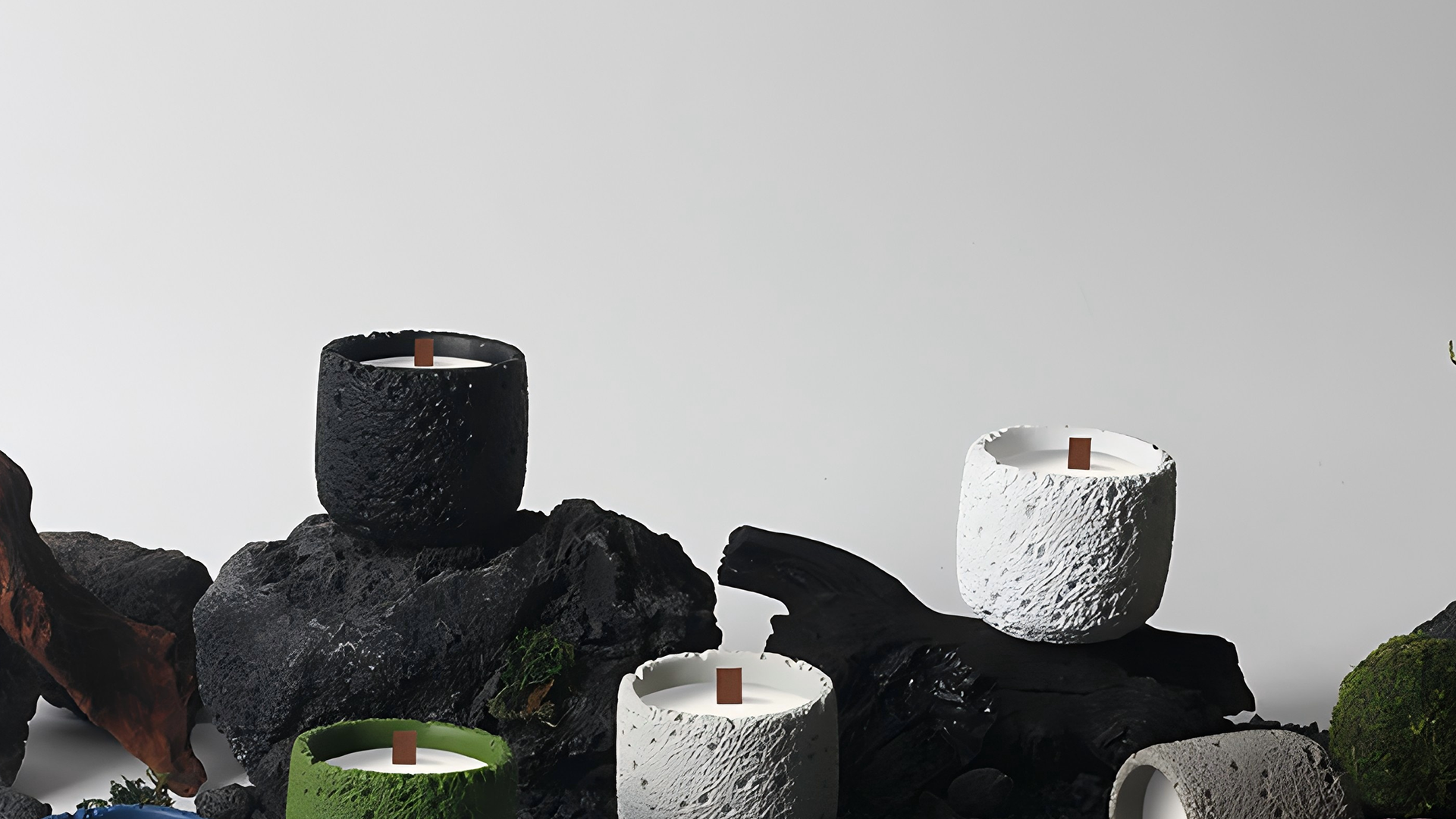
You’ve Bought Aromatherapy Candles. They Let You Down.
You light the wick. The flame flickers. You smell… burnt wax. Not lavender. Not eucalyptus. Just smoke. Iwọ ko dawa. Reddit is full of users complaining about weak throw, chemical headaches, and candles that tunnel. “I bought a $40 candle and it smelled like nothing,” one user posted. “My diffuser runs out in 2 hours.”
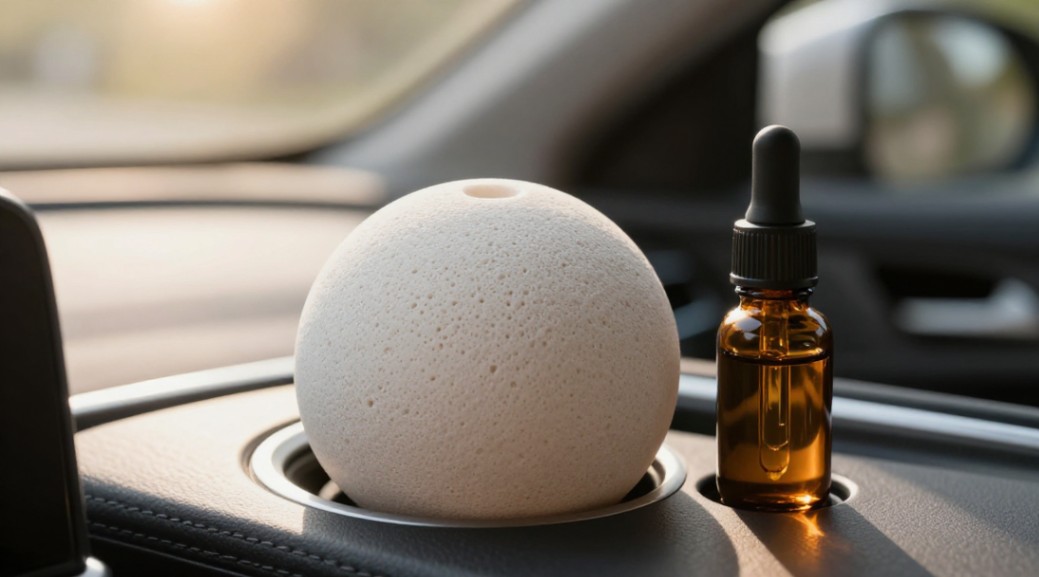
Enter aromatherapy wax — the unsung workhorse of home lofinda. It’s the system that actually delivers the scent you paid for. Ko si ina. Ko si soot. Ko si fomipo. O kan mimọ, controlled aroma.
1. What Exactly Is Aromatherapy Wax?
Aromatherapy wax is a blend of wax (usually soy, paraffin, tabi oyin) infused pẹlu pataki epo or natural fragrance compounds. It is solid at room temperature and designed to be melted in a warmer, not burned. Common forms include:
- Wax melts / tarts – Small, pre-measured cubes or shapes.
- Aromatherapy Candles – But only if the wax is meant to be melted, not burned (toje).
- Snap bars – Long bars you break into pieces.
The key difference? The wax is never ignited. You heat it with a low-wattage warmer or melter. The heat releases the volatile aromatic compounds without combustion.
2. How Does It Work? (The Physics of Smell)
Heat your wax to 120°F–150°F (49°C–65°C). Awọn pataki epo molecules vaporize. They travel into your nose. Wọn sopọ mọ awọn olugba olfato. Your brain interprets the signal as “lavender” tabi “peppermint.”
Unlike a diffuser that sprays a mist (which can settle on surfaces), wax melts produce a dry, steady vapor that fills the room evenly. Ko si omi. No bacteria. No ultrasonic plate to clean.
3. Aromatherapy Wax Melts vs. Traditional Candles – The Brutal Truth
| Ẹya ara ẹrọ | epo-eti Yo | Traditional Candles |
|---|---|---|
| Heat source | Electric warmer (low temp) | Ṣii ina (high temp) |
| Lofinda jiju | Alagbara, consistent, controllable | Often weak, sooty, or uneven |
| Aabo | Ko si ina, ko si ẹfin, no soot | Ewu ina, carbon monoxide, soot |
| Duration | 8-12 hours per melt | 2-4 wakati fun fitila |
| Iye owo fun wakati kan | $0.05-$0.15 | $0.30-$1.00 |
| Cleanup | Freeze and pop out | Scrape, melt, or toss jar |
If you want aromatherapy that actually works, skip the candle. Go straight to wax melts.
4. Best Essential Oils for Aromatherapy Wax
Not all oils survive the heat. Some degrade. Others become toxic. Use these proven performers:
- Lafenda – Calming, sun, wahala iderun
- Eucalyptus – Respiratory, opolo wípé
- Peppermint – Energy, idojukọ, headache relief
- Osan (ọsan, lẹmọnu, eso girepufurutu) – Uplifting, mood boost
- Sandalwood Series – Grounding, iṣaro, warm depth
Fun kan sample: Use a blend. 3 silẹ Lafenda + 2 silė Eucalyptus + 1 silẹ peppermint. Iyẹn jẹ a Awọn ibaraẹnisọrọ Qil Aromatherapy powerhouse.
5. Igbesẹ-nipasẹ-Igbese: How to Use an Aromatherapy Wax Warmer
- Choose your warmer. Lo a candle aromatherapy burner or an electric wax melter. Never use a stove or microwave.
- Place one wax cube (isunmọ. 1 iwon / 28 g) into the dish. Do not fill more than 1/2 full.
- Tan igbona. Electric warmers reach 120–150°F in 5–10 minutes. If using a tealight burner, light the tealight – but avoid tealights for safety; electric is better.
- Wait for the wax to melt. It will form a thin liquid pool. Scent fills the room within 15 iseju.
- Turn off after 4–6 hours. Let wax cool. Reheat up to 3 igba. Lẹhinna, the scent fades – discard.
- Clean the dish. Place in freezer for 10 iseju. The wax shrinks and pops out. Wipe with a paper towel.
6. Safety Considerations – Don’t Be That Person
- Never add water to the wax dish. Omi + hot wax = steam explosion. Ni pataki.
- Don’t overheat. If wax smokes or burns, you’re too hot. Use a warmer with a thermostat.
- Ailewu ọsin. Keep warmers out of reach. Diẹ ninu awọn epo pataki (igi tii, clove, igba otutu) jẹ majele ti ologbo ati aja. Use pet-safe blends.
- Afẹfẹ. Even natural oils can trigger headaches in closed rooms. Crack a window.
7. Benefits of Aromatherapy Wax for Mood, Isinmi, and Focus
Users report real results. “I use eucalyptus wax in my home office. I get 30% more done.” – Reddit, r/aromatherapy. The science backs it: certain awọn ibaraẹnisọrọ epo modulate brain waves. Lavender increases theta waves (isinmi). Peppermint boosts beta waves (gbigbọn).
Unlike a diffuser stone that only scents a few feet, wax melts cover a 250–400 sq ft room. Ko si ariwo. Ko si owusu. O kan funfun õrùn.
8. How to Choose High-Quality Aromatherapy Wax
Most products labeled “aromatherapy wax” are fake. They use sintetiki fragrances – not essential oils. Here’s the checklist:
- Read the ingredients. First ingredient should be Epo ni mi tabi epo-oyinbo. Keji: epo pataki(s). If you see “fragrance oil” or “parfum”, put it back.
- Check the oil concentration. High-quality wax uses 6–10% essential oil by weight. That’s about 20–30 drops per ounce of wax.
- Look for a brand that lists the botanical name. E.g., Lavandula angustifolia not “lavender fragrance.”
- Avoid colored wax. Dyes add no scent and can stain your warmer.
Brands like Awọn ibaraẹnisọrọ Qil Aromatherapy ati Sandalwood Series meet these standards. Don’t settle for less.
9. DIY Basics: Make Your Own Aromatherapy Wax Melts
O ṣakoso awọn eroja. Ko si fillers. No mystery chemicals. Here’s the exact recipe:
- Awọn eroja: 1 ife (200 g) soy wax flakes, 30–40 drops of epo pataki (f.eks., 15 silẹ Lafenda + 10 silė Eucalyptus + 5 silė peppermint).
- Ohun elo: Double boiler, silicone mold, thermometer, heat-safe container.
- Awọn igbesẹ:
- Melt soy wax in double boiler to 170°F (77°C). Do not exceed 180°F.
- Remove from heat. Let cool to 130°F (54°C).
- Fi awọn epo pataki kun. Stir gently for 1 iseju.
- Pour into silicone mold. Let set at room temperature for 2 wakati.
- Pop out cubes. Store in a glass jar with a tight lid.
Yield: 8–10 cubes (1 oz each). Igbesi aye selifu: 12 months if stored in a cool, ibi dudu.
10. Proper Storage and Shelf Life
Essential oils degrade with heat, imole, ati afẹfẹ. Store your aromatherapy wax in an airtight container, away from direct sunlight. Ideal temperature: 60–75°F. Avoid bathrooms (ọriniinitutu). Shelf life is 6–12 months for natural wax; synthetic ones last longer but smell like a science experiment.
11. Common Mistakes to Avoid
- Adding water to the wax dish. Already said it. Maṣe ṣe.
- Using too much oil. More than 10% essential oil can cause skin irritation if spilled, and the scent can become cloying. Stick to 6–8%.
- Leaving the warmer on all day. Scent fades after 4–6 hours. Pa a. Waste of electricity.
- Mixing different wax brands. Different melt points = uneven melting. Stick to one brand per batch.
12. Aromatherapy Wax vs. Diffusers – Which Is Better?
| Ọna | Aleebu | Konsi |
|---|---|---|
| Wax melts | Strong scent, ko si ariwo, ko si omi, gun lasting, ọsin-ailewu (if done right) | Requires warmer, slight warm-up time, wax disposal |
| Ultrasonic diffuser | Adds humidity, idakẹjẹ, can run for hours | Weak scent, need to clean weekly, can mold, omi-orisun |
| Incense burner | Traditional, intense smoke | Ẹfin, soot, fire hazard, not for essential oils |
| Candle aromatherapy burner | Imọlẹ ibaramu, ritual | Fire, soot, burns essential oils quickly |
For pure aromatherapy effect, wax melts win. For humidity, diffuser wins. Your choice.
Stop Wasting Money on Weak Scents
You’ve tried the candles. You’ve tried the cheap diffusers. You’ve been frustrated. Aromatherapy wax is the upgrade you’ve been waiting for. O jẹ ailewu. It’s stronger. It’s smarter.
Start with a high-quality wax melt from a brand that uses real essential oils. Gbiyanju a Sandalwood Series blend or a Awọn ibaraẹnisọrọ Qil Aromatherapy sampler. Imu rẹ yoo dupẹ lọwọ rẹ.
One cube. One warmer. One room transformed. That’s how aromatherapy should work.
Olupese
ScentSerenade ṣe ifaramọ lati ṣepọ ni pipe ni pataki ti aṣa ila-oorun pẹlu iṣẹda ode oni lati ṣẹda aṣa alailẹgbẹ ati awọn ọja lofinda ẹda.. A gbagbo wipe gbogbo lofinda ni o ni awọn oniwe-ara oto itan ati imolara, nitorinaa a farabalẹ yan awọn eroja adayeba ti o dara julọ ni agbaye, ni idapo pelu olorinrin ọnà, ki o si gbiyanju lati sọ itan gbigbe ni gbogbo igo oorun.