동양문화와 창의성을 담은 향기여행 | 향기세레나데


Breathe Deep: Your Guide to Essential Oils for Happy Sinuses
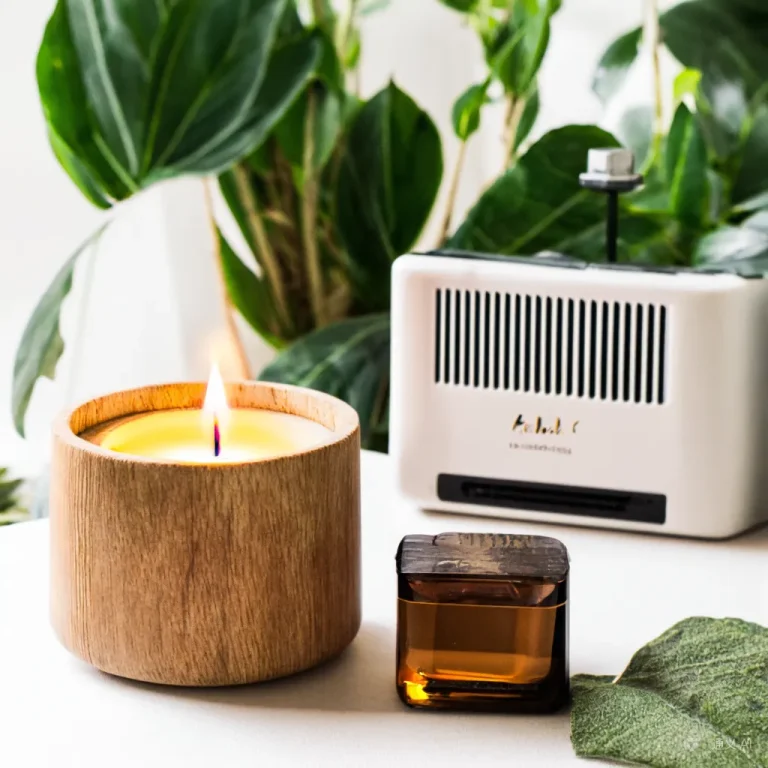
(what essential oils are good for sinuses)
Stuffy nose? Facial pressure that feels like a vice? Sinus woes are no joke. They turn breathing into work and drain your energy. While reaching for medication is common, many people explore natural paths to relief. Essential oils stand out as popular allies. These potent plant extracts offer a fragrant way to combat congestion and soothe irritated nasal passages. Let’s explore how these tiny bottles can make a big difference for your sinus health.
1. What Essential Oils Help Fight Sinus Troubles?
Several essential oils shine when your sinuses feel blocked or inflamed. Their natural properties target congestion and irritation directly.
유칼립투스 오일: This is a superstar for sinus relief. Its main component, eucalyptol (also called cineole), acts as a powerful decongestant. It helps break up mucus and makes breathing easier. You recognize its sharp, clean scent from many chest rubs.
페퍼민트 오일: That cool, tingling feeling? That’s menthol. Peppermint oil provides an immediate cooling sensation. This helps open blocked nasal passages. It also fights germs and reduces inflammation.
티트리 오일 (Melaleuca): Known for its strong germ-fighting power, tea tree oil tackles bacteria and viruses that cause sinus infections. Its medicinal scent signals its cleaning ability.
Rosemary Oil: This herb’s oil contains cineole, similar to eucalyptus. It helps clear mucus and supports easier breathing. Rosemary also fights inflammation.
라벤더 오일: While less direct for congestion, lavender is vital. Its gentle floral scent calms inflammation and soothes irritated sinus tissues. It promotes relaxation, which helps your body heal. It’s great blended with stronger oils.
레몬 오일: Bright and citrusy, lemon oil helps clear mucus. Its fresh scent uplifts your mood. It also supports your body’s natural cleaning processes. Always use high-quality, pure oils from trusted sources.
2. Why Do Essential Oils Work for Sinus Relief?
Essential oils aren’t just nice smells. They contain active plant compounds that interact with your body in helpful ways.
Decongestant Power: Oils like eucalyptus and peppermint contain molecules (like eucalyptol and menthol). These molecules stimulate cold receptors in your nose. This creates a cooling feeling and tricks your brain. The result? Your nasal passages feel more open. Blood vessels constrict slightly, reducing swelling.
Mucus Management: Certain oils act as expectorants. They help thin thick, sticky mucus. Thinner mucus is easier to drain. This clears blockages. Eucalyptus and lemon are good examples.
Germ Fighting: Many sinus issues start with germs – bacteria or viruses. 티트리 같은 오일, 유칼립투스, and peppermint have proven antimicrobial abilities. They help kill germs or stop them growing. This tackles the root cause of infections.
Calming Inflammation: Swollen sinus tissues cause pain and blockage. 라벤더 같은 에센셜 오일, 로즈마리, and peppermint have anti-inflammatory effects. They help reduce swelling and redness inside your nasal passages. Less swelling means more space for air.
Supporting Immunity: Some oils, like lemon and tea tree, may give your immune system a gentle boost. They help your body fight off invaders better.
3. How to Use Essential Oils Safely for Your Sinuses
Safety comes first. Essential oils are strong. Never swallow them unless directed by a qualified professional. Avoid putting undiluted oils directly inside your nose or on sensitive skin. Here are safe and effective methods:
Steam Inhalation (Hot Water Method): This is classic. Boil water, pour it into a large bowl. 추가하다 3-5 drops of your chosen oil (eucalyptus alone or mixed with peppermint works well). Lean over the bowl, drape a towel over your head to trap the steam. 눈을 감으세요. Breathe deeply through your nose for 5-10 분. The steam carries the oil particles deep into your sinuses. Do this 1-3 times daily when congested.
Diffusing: Use an ultrasonic diffuser. Add water and 3-10 기름 방울 (check diffuser instructions). 켜세요. This fills the air with tiny oil particles. Breathing this air helps clear sinuses over time. It also cleans the air. Great for continuous relief in your room or office.
국소 적용 (Diluted): Mix essential oils with a carrier oil. Good carriers are coconut oil, jojoba oil, or sweet almond oil. 약 사용 5 drops of essential oil per teaspoon of carrier oil. Apply this blend to your chest, 목, or temples. Avoid the delicate eye area. The warmth helps release the scent. You breathe it in. Good for overnight relief.
Shower Power: Place a few drops of oil (eucalyptus or peppermint) on the shower floor before turning on the hot water. The steam activates the oil. Creates a mini steam room effect. 심호흡을 해라.
Personal Inhalers: These are small nasal tubes filled with absorbent material soaked in essential oil. Carry one in your pocket or purse. Sniff it whenever you feel stuffy. Provides quick, portable relief without steam.
4. Everyday Applications for Sinus Support with Essential Oils
Essential oils fit easily into your daily routine for ongoing sinus health or tackling flare-ups.
Morning Steam Boost: Start your day with a quick steam inhalation. Use eucalyptus or peppermint. Clears overnight congestion. Prepares you for the day.
Workday Diffusing: Run a diffuser near your desk. Use a blend like rosemary and lemon. Keeps the air fresh. Helps maintain clear breathing during long hours. Fights office germs.
Preventative Chest Rub: Before bed or going out, apply diluted peppermint or eucalyptus oil to your chest. Creates a protective aromatic barrier. Especially useful in cold weather or crowded places.
여행의 동반자: Pack a personal inhaler and a small bottle of diluted oil. Use on planes, trains, or in hotels to combat dry air and germs. Prevents travel-related sinus issues.
Nighttime Relief: Diffuse lavender and eucalyptus in your bedroom. Promotes easier breathing while you sleep. 라벤더는 휴식을 도와줍니다.. Apply diluted lavender to temples if sinus pressure causes headaches.
Cleaning Spray: Mix water, white vinegar, and germ-fighting oils like tea tree and lemon in a spray bottle. Use on surfaces. Reduces allergens and germs in your home. Creates a healthier environment for your sinuses.
5. Essential Oils for Sinuses: 귀하의 질문에 대한 답변
Let’s tackle common concerns.
Are essential oils safe for kids? Be very careful. Young children are sensitive. Avoid strong oils like peppermint and eucalyptus under age 6. Always dilute heavily. Consult a pediatrician or qualified aromatherapist first. Use milder oils like lavender only with expert guidance.
Can I put essential oils inside my nose? 아니요. Never put undiluted essential oils directly into your nostrils. This can damage sensitive mucous membranes. Use steam inhalation, 디퓨저, or diluted topical application instead. The scent reaches your sinuses safely.
How often can I use them? Listen to your body. Steam inhalation 1-3 times daily during congestion is usually fine. Limit sessions to 10 분. Diffuse intermittently (예를 들어, 30 minutes on, 30 minutes off). Constant exposure can lead to sensitization. Give your body breaks.
Do they interact with medications? Possibly. Peppermint oil might interact with some medications broken down by the liver. If you take prescription meds, especially for chronic conditions, talk to your doctor before using essential oils regularly.
Can essential oils cure a sinus infection? They can help manage symptoms and support healing. They fight germs and reduce inflammation. 하지만, severe bacterial sinus infections often need antibiotics. Use oils as a supportive therapy. See a doctor if symptoms are severe or last over a week.

(what essential oils are good for sinuses)
What if I have allergies? Patch test first. Dilute a drop of oil in carrier oil. Apply a small amount to your inner arm. Wait 24 시간. Check for redness or itching. If you have plant allergies (like ragweed), be cautious with oils from related plants. Chamomile or eucalyptus might cause reactions in some. Start slow.
RELATED POSTS
how to clean essential oil diffuser
Explore Essential Oil Retailers in Your Area
how to use urpower essential oil diffuser
what is bergamot essential oil used for