


Turas cùbhraidh air a bhrosnachadh le Cultar Oriental agus Cruthachalachd | ScentSerenade


Fuasgail fàilidhean nàdair: An turas ola riatanach agad

(mar a chleachdas tu olan riatanach airson aromatherapy)
Ola riatanach. Bidh thu a’ cluinntinn mun deidhinn anns a h-uile àite. Tha caraidean ag èigheach mu dheidhinn lavender a 'socrachadh an cuid nerves. Wellness blogs tout peppermint for headaches. Your favorite store has a whole section smelling amazing. But what are they really? How do you actually use these tiny bottles of potent plant power? Bidh an stiùireadh seo a 'gearradh tron hype. It gives you clear, practical steps to harness the ancient art of aromatherapy safely and effectively. Forget confusing jargon. Embrace the simple power of scent for your well-being.
1. Dè dìreach a th’ ann an ola riatanach?
Think of essential oils as a plant’s life force captured in a bottle. They are highly concentrated liquids extracted from flowers, duilleagan, rùsg, freumhan, and other plant parts. Imagine squeezing hundreds of rose petals just to get one tiny drop of oil. That’s the level of concentration we’re talking about. These oils contain the plant’s unique scent and beneficial properties. Is iad sin “riatanach” oir tha iad a 'cumail brìgh an lus, not because they are all vital for human life. People have used them for thousands of years. Ancient Egyptians used them in cosmetics and embalming. Greeks and Romans valued them for medicine and perfumes. An-diugh, modern science explores how these complex natural compounds interact with our bodies and minds. Common methods to get the oil include steam distillation (passing steam through plant material) and cold pressing (squeezing the oils out, coltach ri craiceann citrus). Each method preserves the delicate chemical profile that gives the oil its specific effects.
2. Why Use Essential Oils for Aromatherapy?
Our sense of smell is powerful. It links directly to the brain’s limbic system. This area controls emotions, cuimhneachain, and even some basic body functions. Inhaling essential oil molecules sends signals here. This can trigger real physical and emotional responses. Mar eisimpleir, sniffing lavender might calm your racing thoughts before bed. Peppermint oil’s sharp scent might wake you up and sharpen focus during an afternoon slump. This is the core of aromatherapy. It uses these scents to influence mood, cuideam a lùghdachadh, piseach a thoirt air cadal, or even help manage minor discomforts. Science supports some traditional uses. Studies show lavender can promote relaxation. Peppriint oil applied topically (caolaichte!) might ease tension headaches for many. Eucalyptus oil fumes can clear stuffy noses. The benefits are often subtle but significant. It’s about supporting your body’s natural balance using nature’s tools. It’s not magic. It’s biology responding to potent plant chemistry.
3. Mar a chleachdas tu ola riatanach gu sàbhailte agus gu h-èifeachdach
Sàbhailteachd an toiseach! These oils are powerful. Using them wrong can cause skin irritation, ceann goirt, no nas miosa. Never apply undiluted essential oils directly to your skin. Measgaich iad an-còmhnaidh le ola giùlain. Tha olan giùlan math a’ toirt a-steach ola cnò-chnò bloighteach, ola jojoba, ola almond milis, or even plain olive oil. A safe starting dilution is usually 1-2%: mu dheidhinn 1-2 drops of essential oil per teaspoon of carrier oil for adults. Dèan deuchainn pàipear an-toiseach. Apply a tiny bit of your diluted oil mix to your inner arm. Fuirich 24 uairean. Check for redness or itching. If it’s clear, tha e coltach gu bheil e sàbhailte dhut. Nise, how to use them:
Sgaoileadh: This is the most common method. Add water and a few drops of oil to an ultrasonic diffuser. It breaks the oil into tiny particles and disperses them into the air. Ruith e airson 30-60 mionaidean, an uairsin gabh fois. Don’t diffuse constantly. Keep rooms well-ventilated.
Inhalation: Directly sniff the oil from the bottle. Or add a few drops to a tissue or cotton ball. Place it near you. Airson inhalation smùide, cuir 2-3 drops to a bowl of hot water. Còmhdaich do cheann le searbhadair. Dùin do shùilean. Breath deeply for a few minutes. Be careful not to get too close to avoid burns.
Iarrtas cuspaireil: Only use diluted oils. Massage them onto pulse points (dùirn, teampuill, air cùl chluasan), the soles of your feet, or areas of muscle tension. Avoid sensitive areas like eyes, inner ears, and broken skin.
Bathing: Measgaich 5-10 drops of essential oil with a tablespoon of carrier oil or full-fat milk first. Then add this mix to your bathwater. Adding oil directly to water can cause skin irritation as the oil doesn’t disperse well.
4. Essential Oils Applications for Everyday Life
Aromatherapy fits easily into your daily routine. Here are practical ways to use these plant powerhouses:
Brosnachadh madainn: Need a wake-up call? Diffuse citrus oils like lemon, grapefruit, or wild orange. Or add a drop of peppermint or rosemary oil to your shower floor. The steam will release the invigorating scent.
Work Focus: Feeling foggy? Try diffusing rosemary, lus an phiobair, or basil. These scents are known to enhance alertness and concentration. Keep a rollerball with diluted peppermint at your desk. Apply to your wrists when you need a mental pick-me-up.
Faochadh Strus: Air a dhol thairis? Labhdair, chamomile, tùis, and bergamot are your friends. Diffuse them in the evening. Apply diluted lavender to your temples or wrists. Add a few drops of chamomile to a warm bath.
Better Sleep: Create a bedtime ritual. Diffuse lavender, fiodh seudair, or vetiver an hour before bed. Make a pillow spray with water, calltainn buidseach, and a few drops of calming oils. Apply diluted lavender oil to the soles of your feet.
Cumhachd glanaidh: Many oils have natural cleaning properties. Add tea tree, leamain, or eucalyptus oil to DIY cleaning sprays for countertops. Use them in homemade laundry detergent for a fresh scent.
Minor Discomforts: For muscle aches after exercise, try a diluted blend of peppermint and wintergreen. For a stuffy nose, add eucalyptus or tea tree oil to hot water for steam inhalation. Always dilute oils for skin application.
5. Ceistean Cumanta air Essential Oils: Freagairtean do Cheistean
Let’s tackle common questions people have:
A bheil ola riatanach sàbhailte dha peataichean? Bi air leth faiceallach. Bidh cait is coin a’ làimhseachadh ola ann an dòigh eadar-dhealaichte. Many common oils (craobh tì, citrus, lus an phiobair, eucalyptus) are toxic to pets, gu h-àraidh cait. Never apply oils directly to pets. Diffuse oils only in well-ventilated areas away from pets, and for short periods. Research specific oils or consult your vet first.
Am faod mi olaichean riatanach a ghabhail? Anns an fharsaingeachd, Chan eil. Ingesting essential oils is risky and should only be done under the guidance of a qualified healthcare professional. It’s not recommended for casual home use. Stick to aromatherapy and topical application.
Dè cho fada ‘s a mhaireas ola riatanach? Mu dheireadh thall 1-3 years if stored properly. Cùm iad ann am botail glainne dorcha (òmar no gorm cobalt) ann am fionnar, dark place away from sunlight and heat. Citrus oils generally have a shorter shelf life (mun cuairt 1 bliadhna). If an oil smells rancid or drastically different, tilg a mach e.
Dè nì “ìre teirpeach” ciallach? This is mostly a marketing term. There’s no official regulating body that certifies oils as “ìre teirpeach.” Focus on buying pure, unadulterated oils from reputable companies. Look for botanical names on the label and information about sourcing and testing (mar aithisgean GC/MS).
Why do some oils feel hot or cold on my skin? This is normal for certain oils. Peppermint, uaine geamhraidh, and eucalyptus often produce a cooling sensation. Cinnamon, clòbh, and oregano can feel warm or even hot. Always dilute these “teth” oils more heavily (start with 0.5-1% caolachadh). Discontinue use if the sensation is painful.
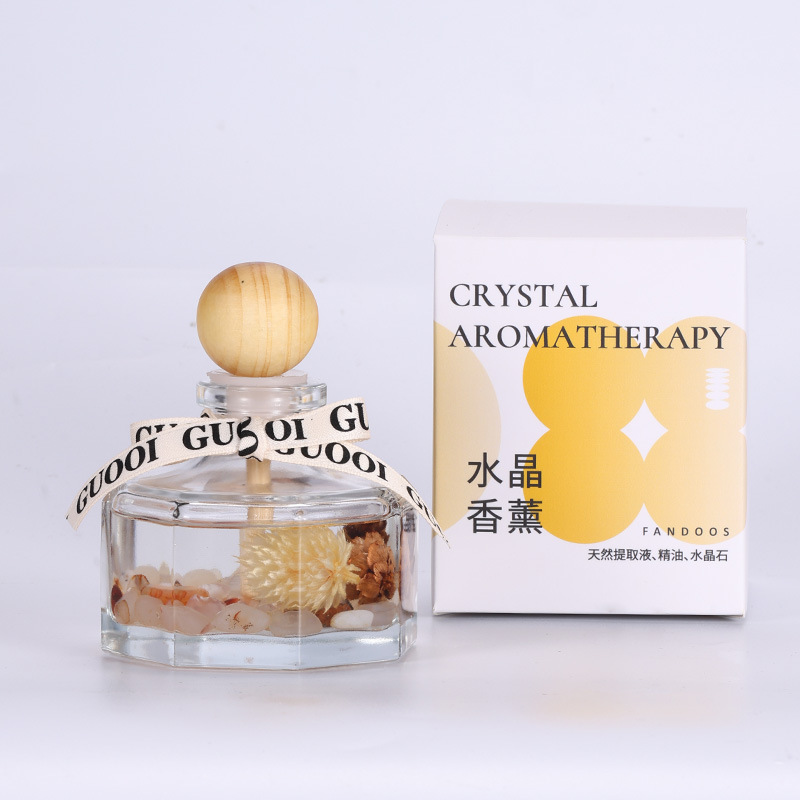
(mar a chleachdas tu olan riatanach airson aromatherapy)
Can I use essential oils if I’m pregnant or breastfeeding? Consult your doctor first. Some oils are considered unsafe during pregnancy, especially in the first trimester. Avoid oils like clary sage, ròsmaraidh, and basil during pregnancy unless your healthcare provider approves them. Be extra cautious.